Prairie Crocus – Pulsatilla nuttalliana (DC.) Spreng
Family Ranunculaceae
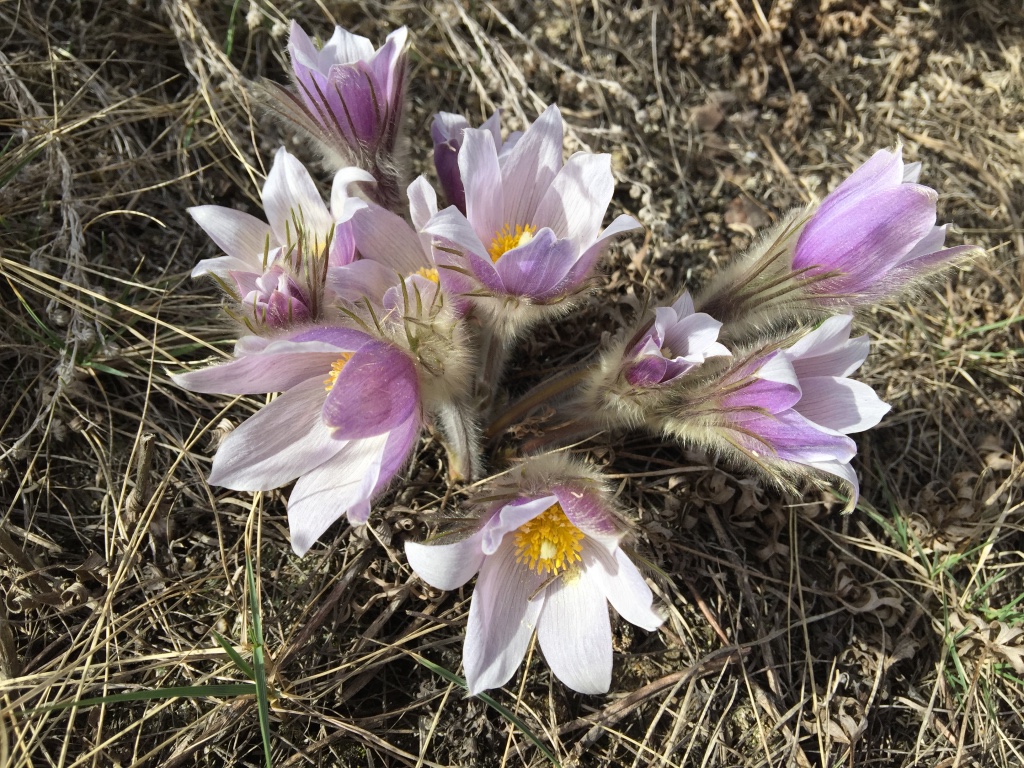
Photo Gallery
Whole Plant
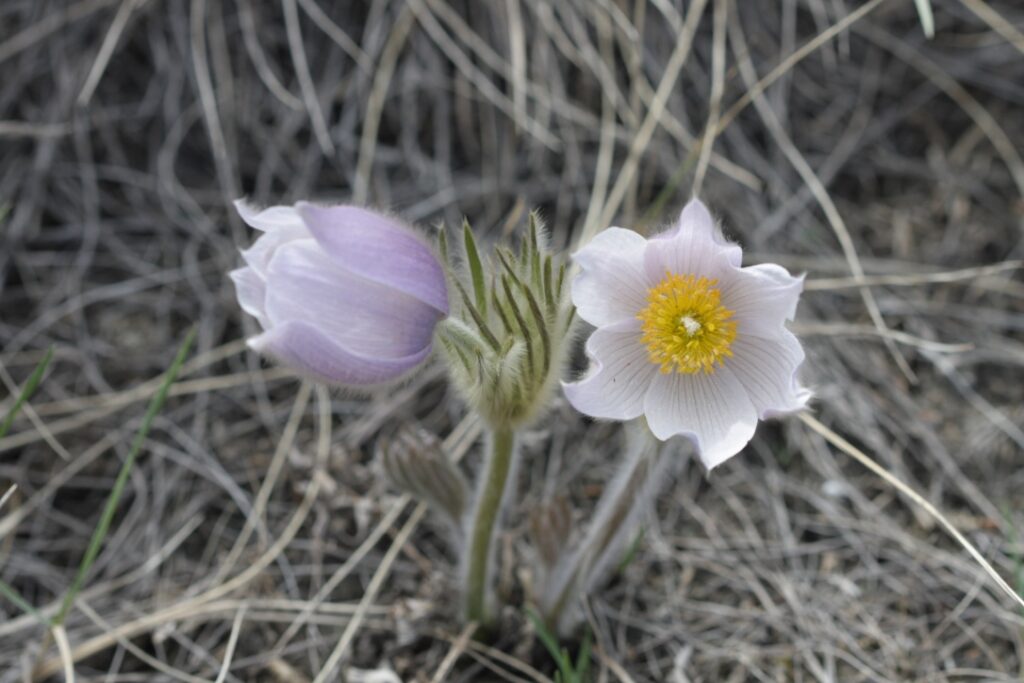
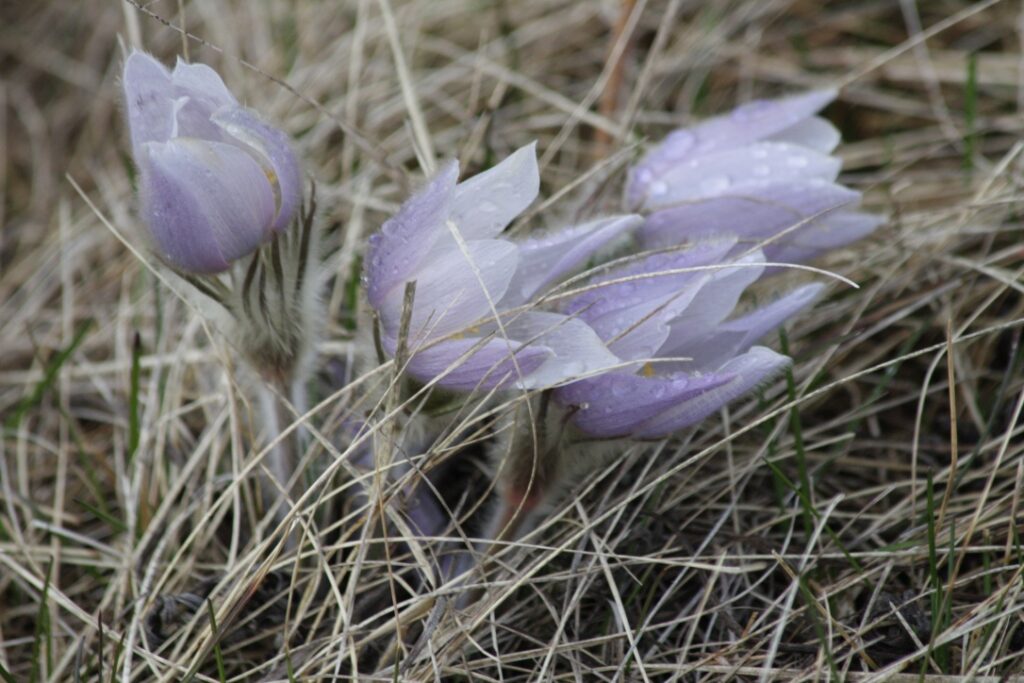
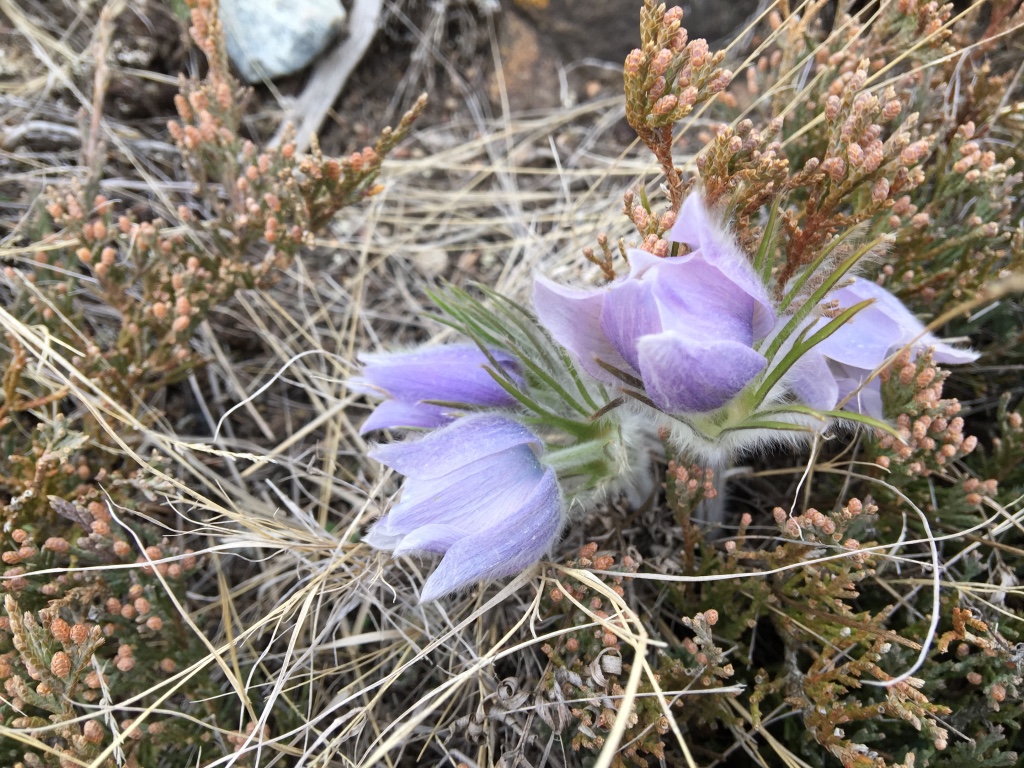
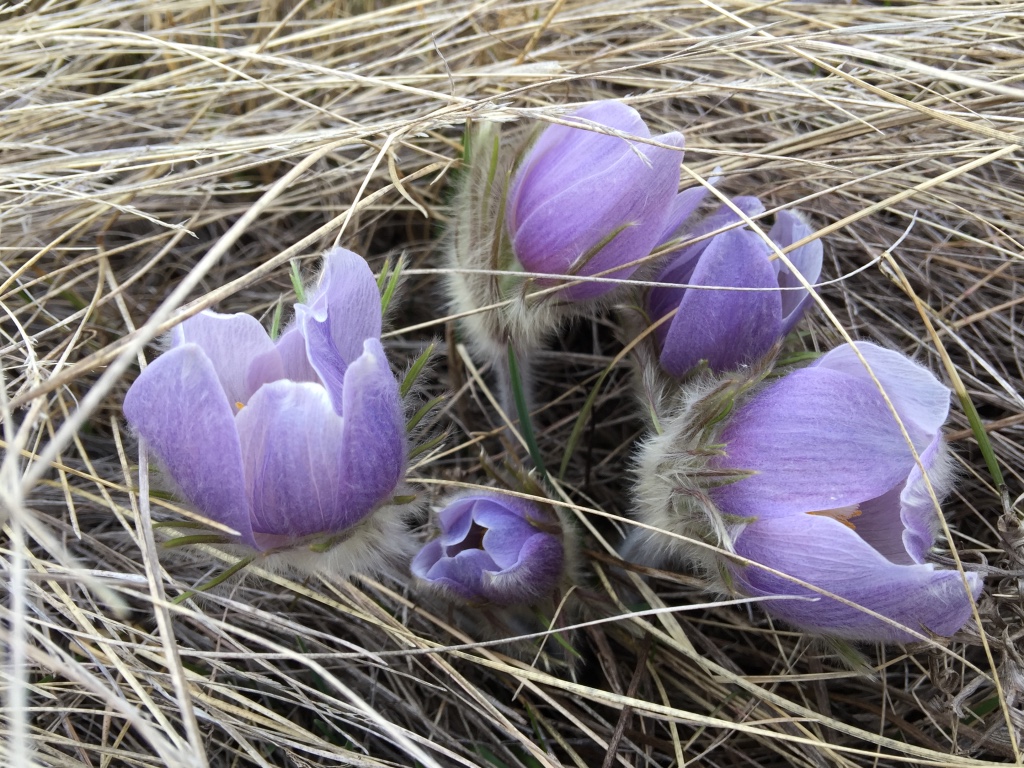
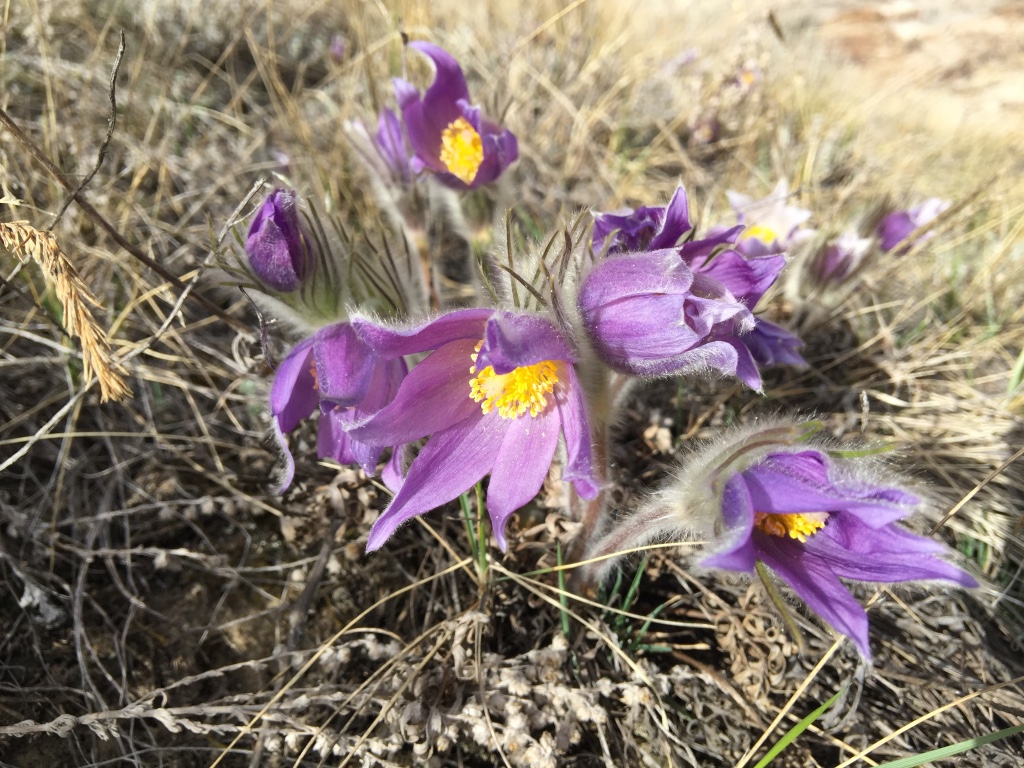
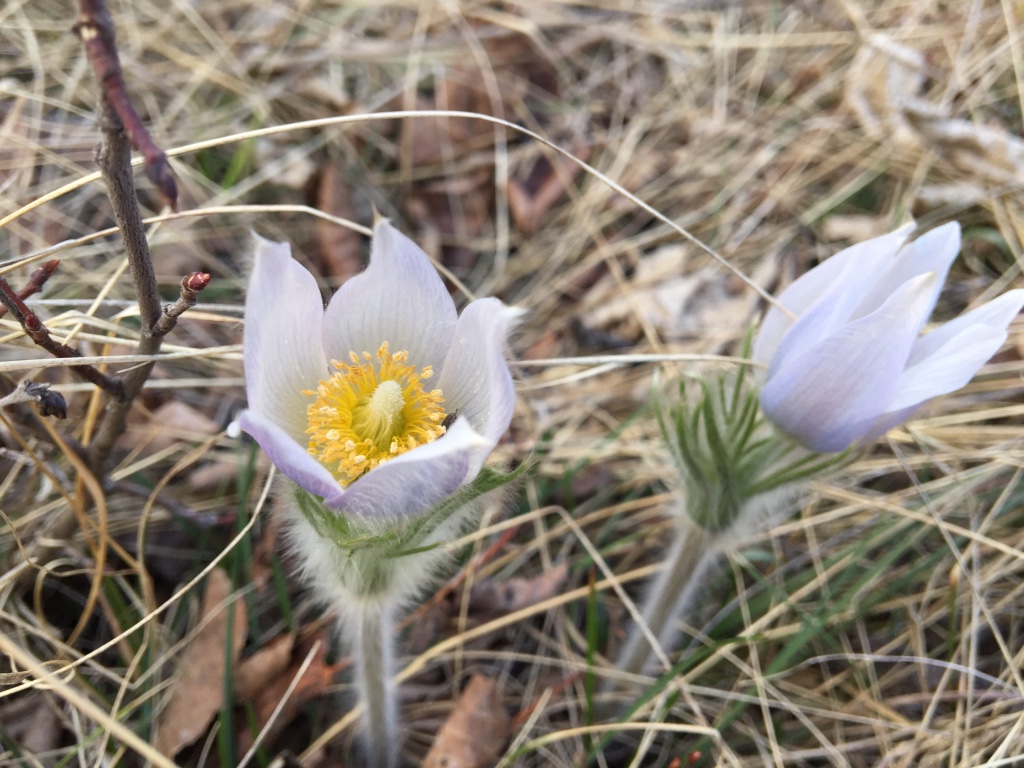
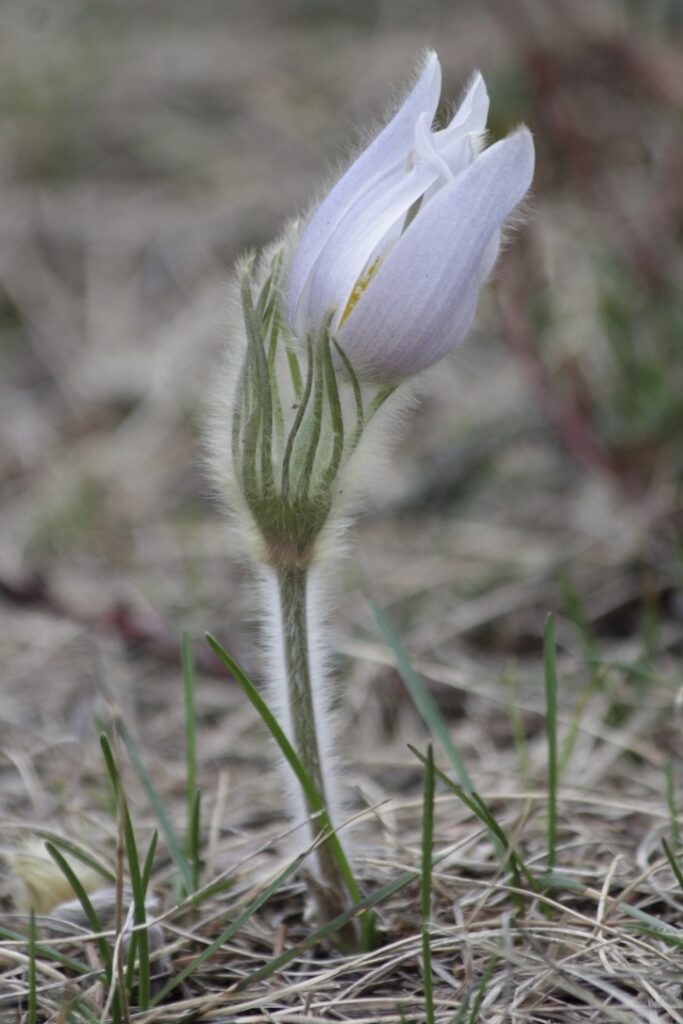
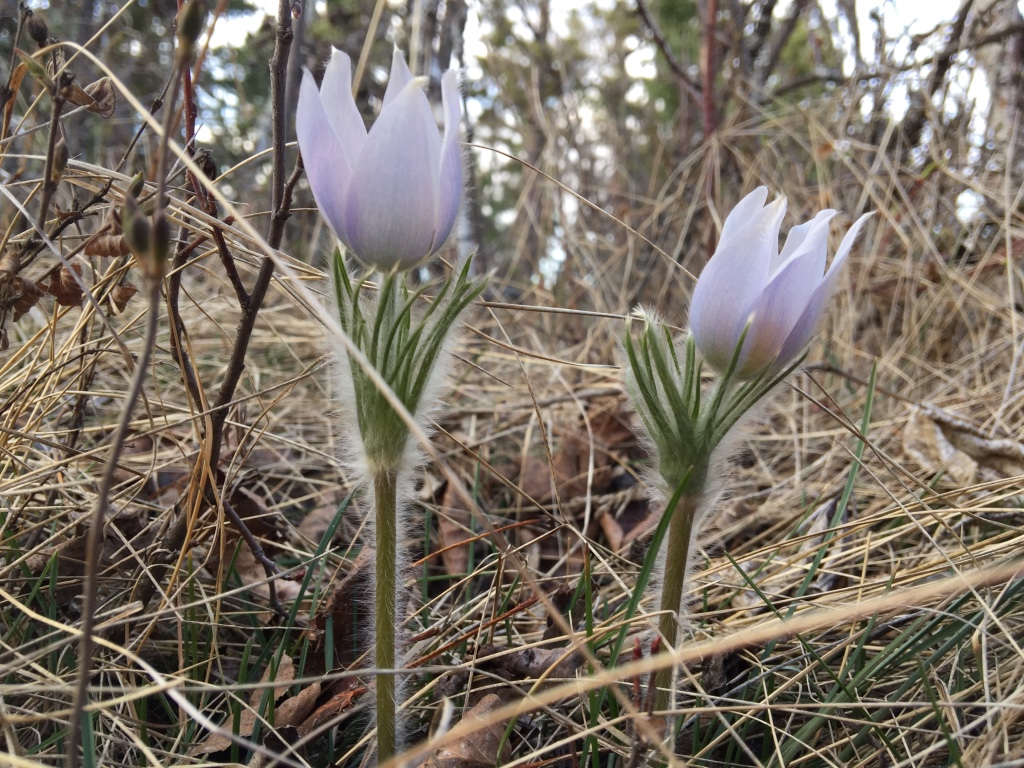
Flowers/Inflorescences
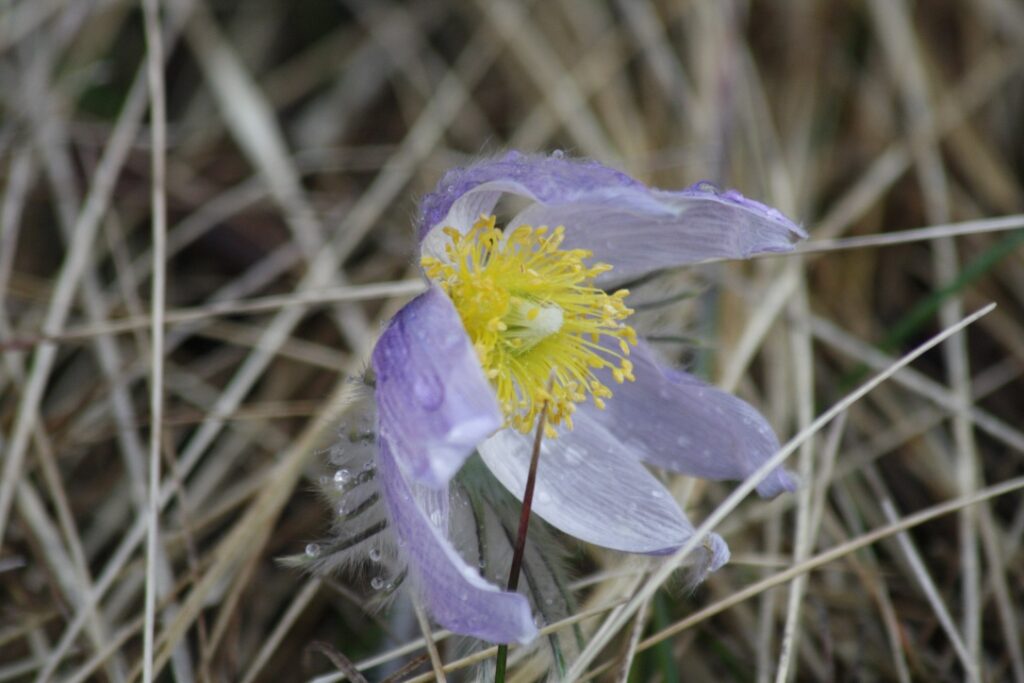
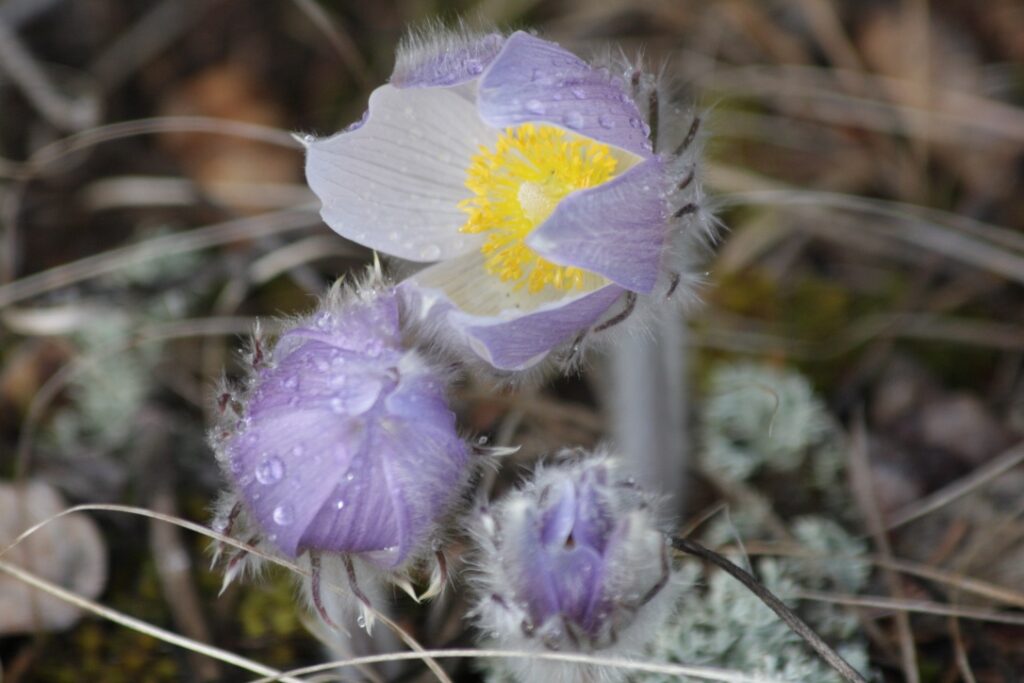
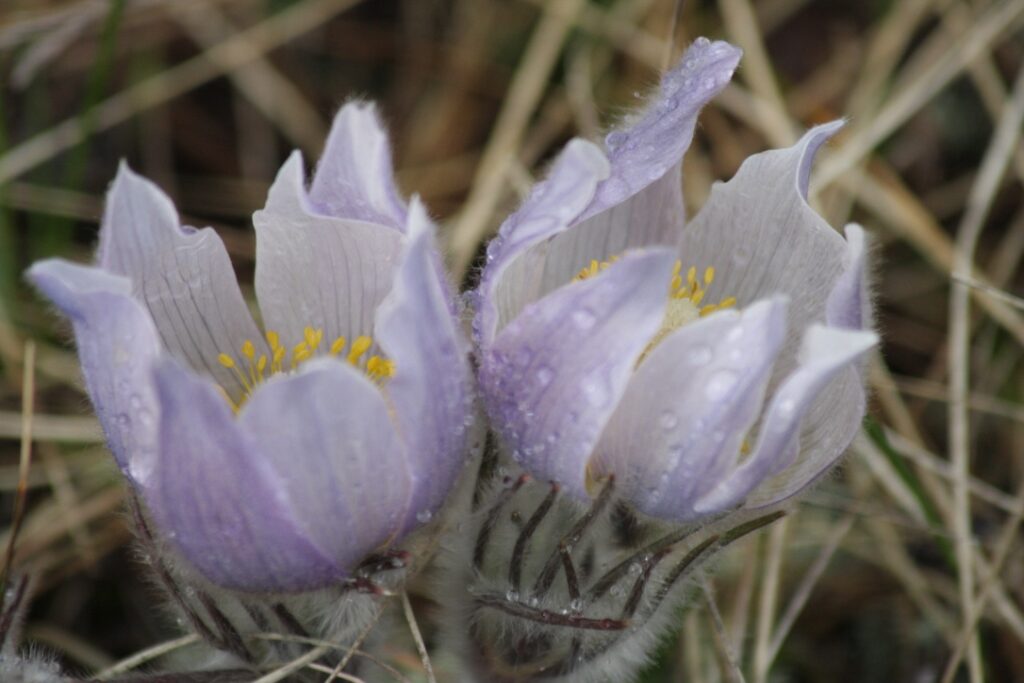
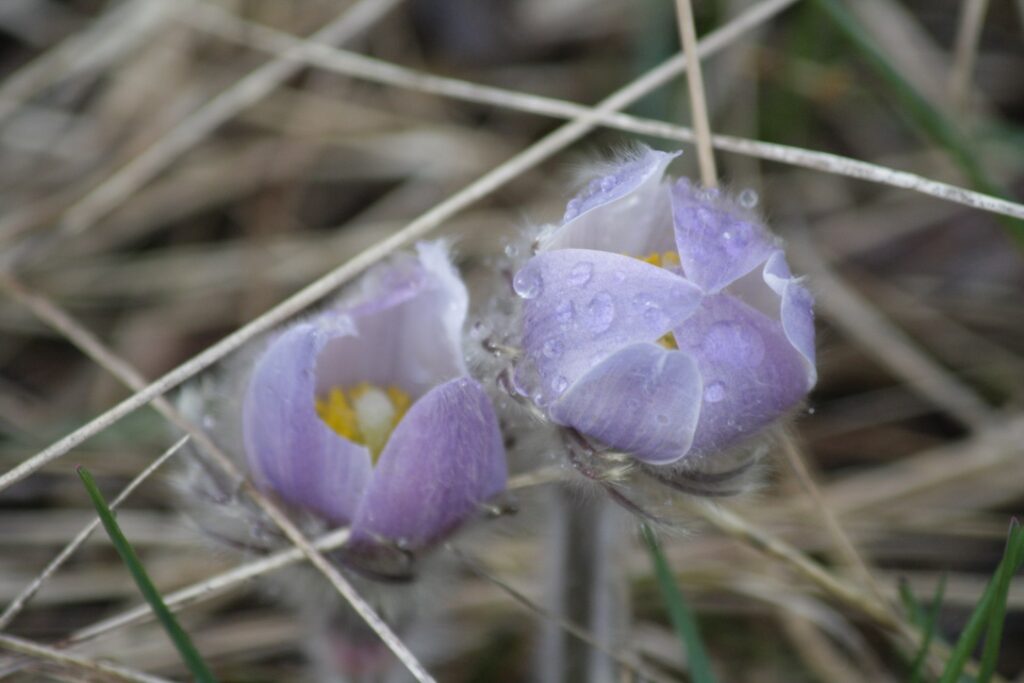
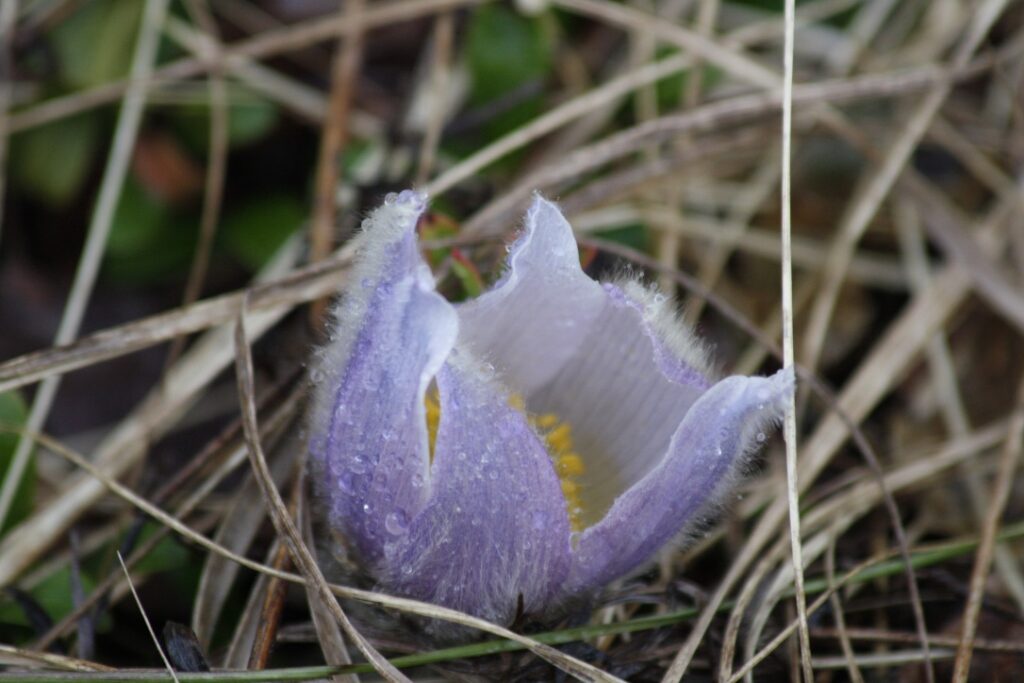
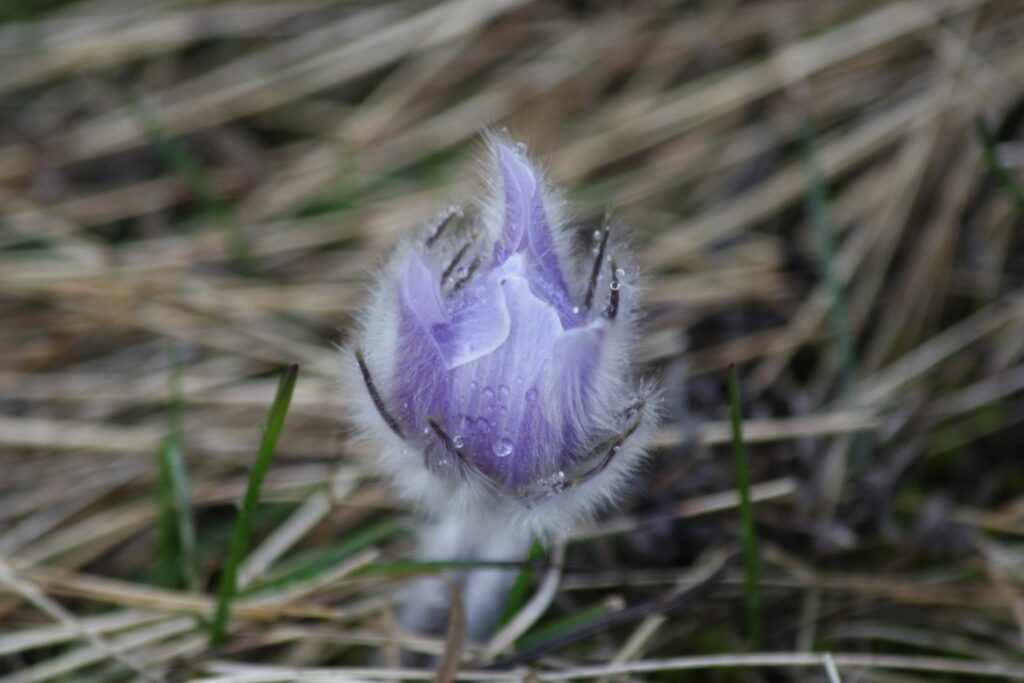
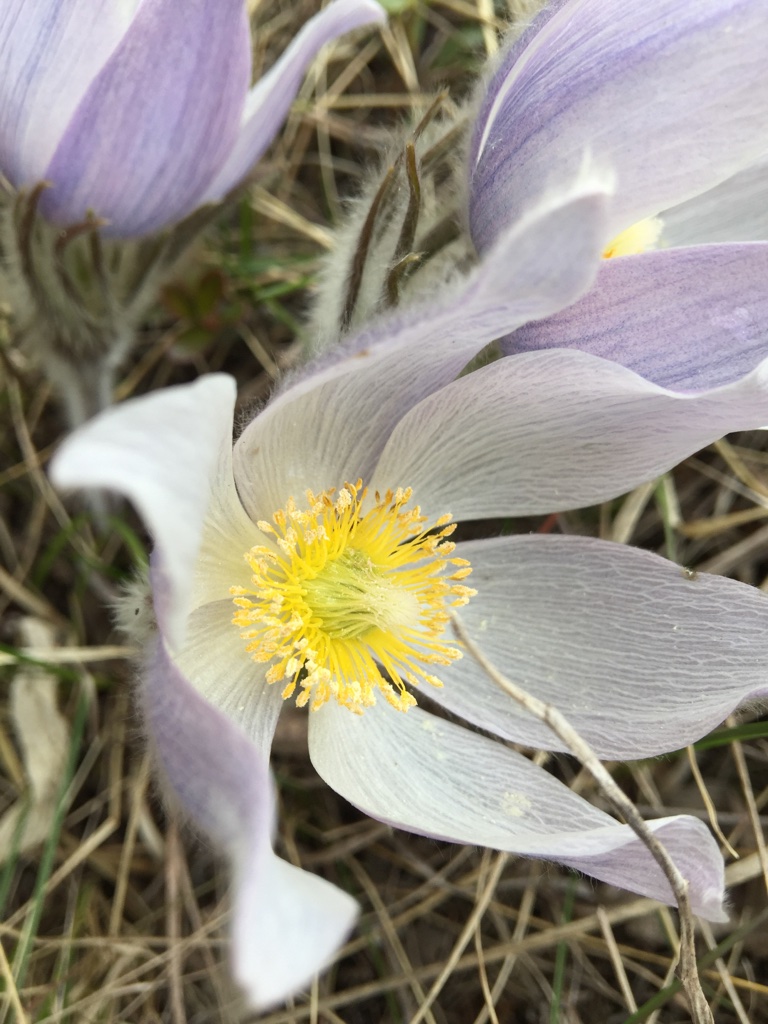
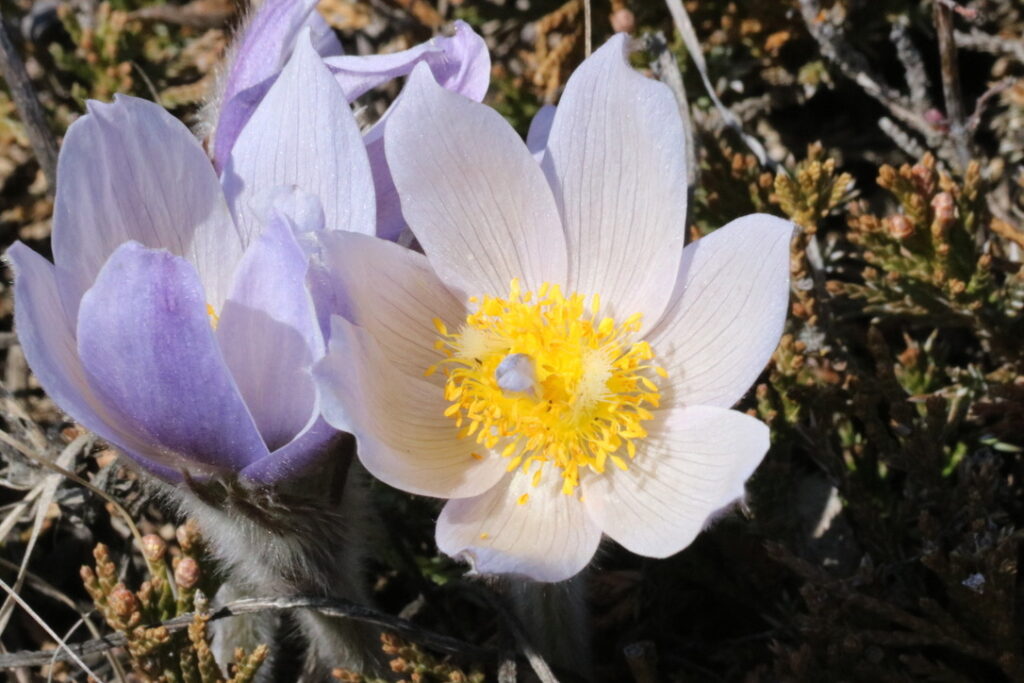
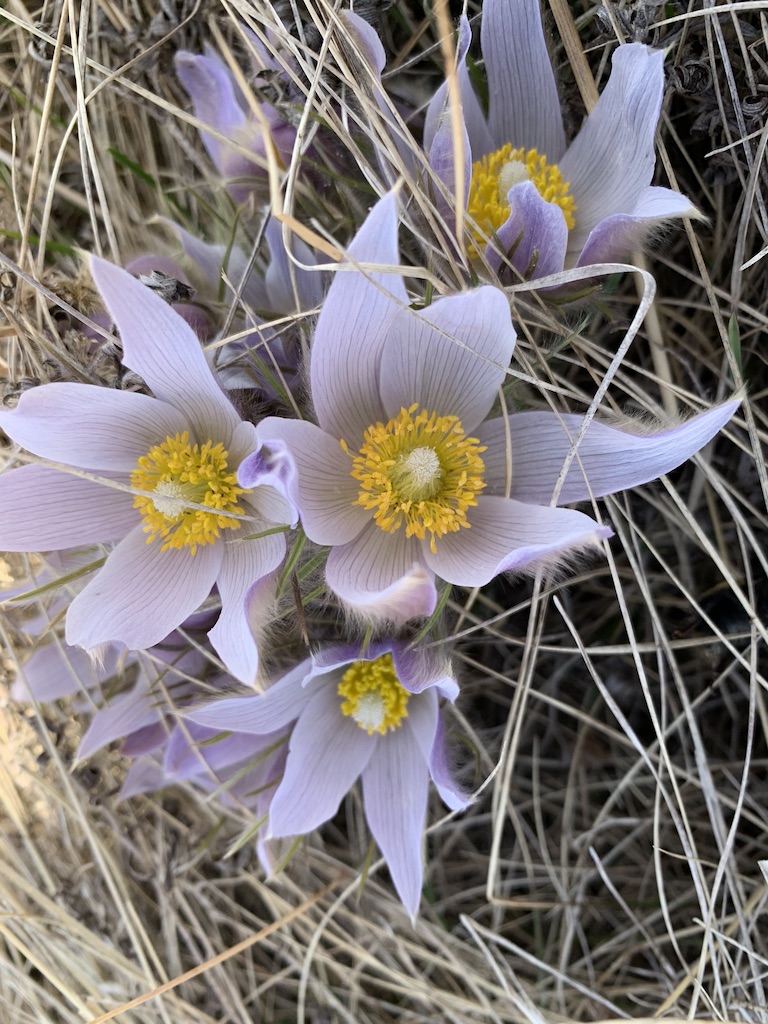
Leaves/Vegetative Stage
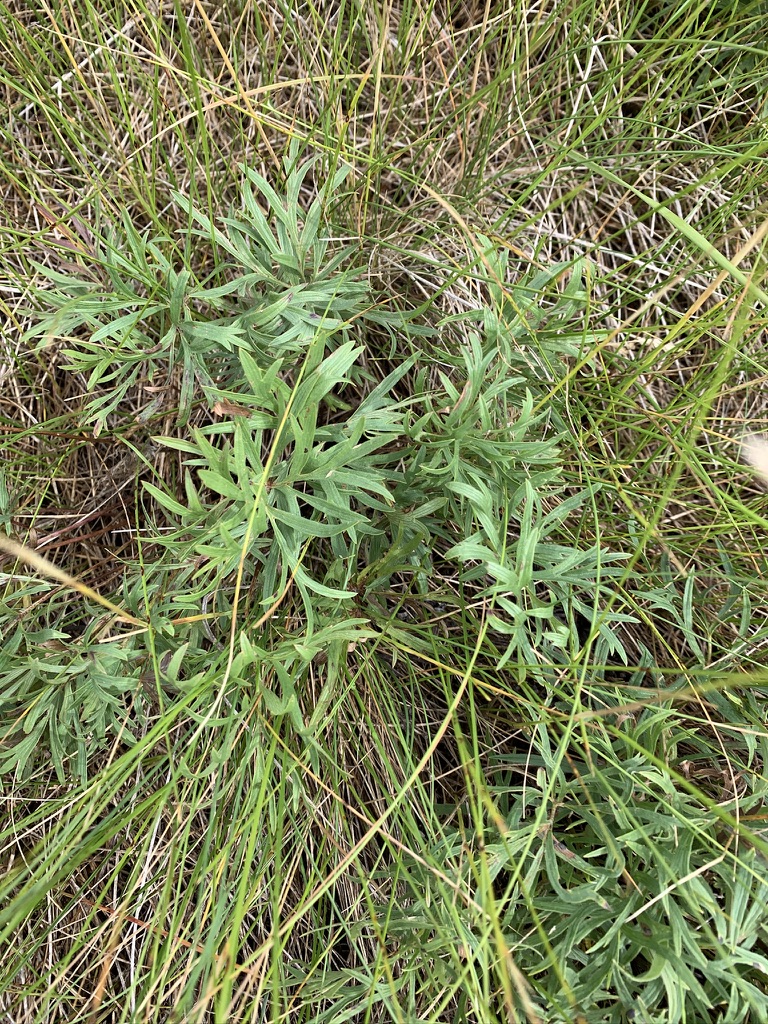
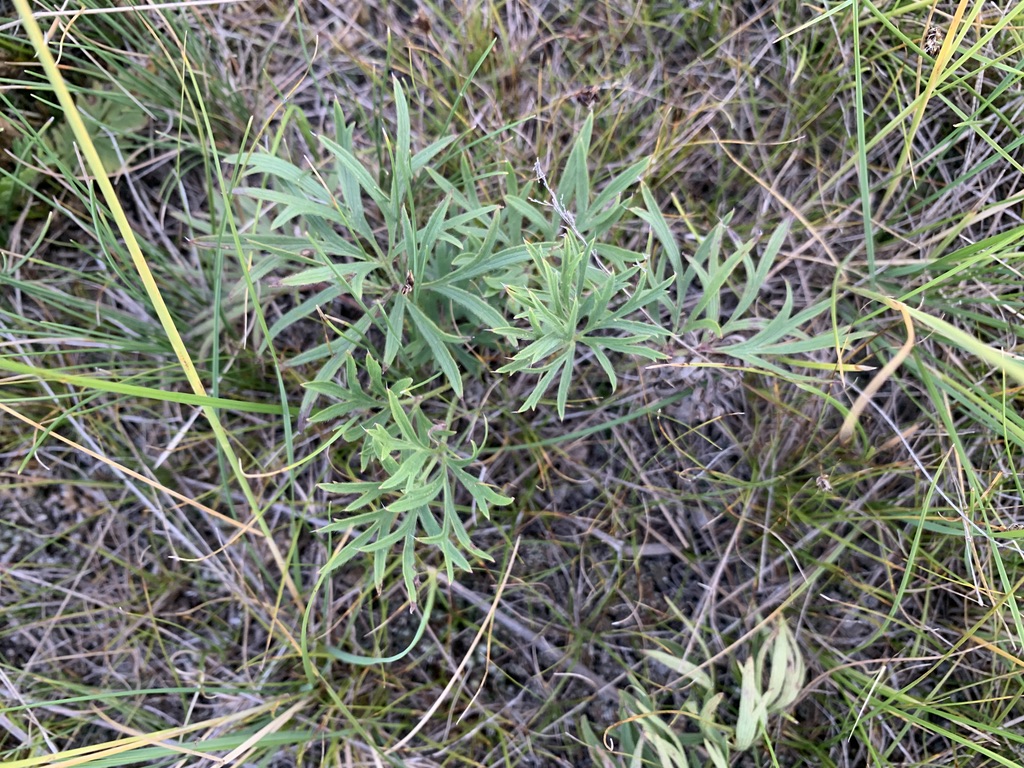
Seed-set or Maturity
Origin & Status
- Native or non-native to Western Canada? Native.
- If non-native, where is it considered a native species? N/A
- Is this plant generally considered a nuisance weed or not? No.
- Common or rare? Common.
Dichotomy-like Description
Growth Habit
- Monocot or dicot? Dicot.
- Erect, prostrate, creeping, or climbing? Erect.
- What is its life cycle? Perennial.
Overall Height
- 10 to 40 cm (4 to 15 inches)
Stem Characteristics
- Solitary stem or bunching together? Some solitary, others borne from several stems from a root crown.
- Pithy or hollow? Pithy.
- Square, round, or triangular? Round.
- Clear or milky sap? Clear.
Rooting Type
- Stolons or rhizomes present? No.
- If yes, are stolons/rhizomes short or long? N/A
- Fibrous roots or taprooted? Taprooted.
Leaf Arrangement on the Stem
- Are leaves arranged opposite, alternate, whorled or as a basal rosette? Basal leaves (appear only after flowering) and whorled stem leaves
- How are leaves attached to the stem? Stem leaves are sessile. Basal leaves petioled, 5 to 10 cm (2 to 4 inches) long.
- Axial leaves present? No.
- Stipules present? No.
Leaf Characteristics
Simple or Compound leaves? Compound.
- (If Compound) What type of division? Lobed, each lobe further divided into narrow segments.
- (If Compound) How many leaflets per leaf? Three-times divided, the central segment three-cleft, lateral ones tending to be 2-cleft; divisions again cleft.
- What is its (including leaflets) shape? Linear; entire leaf a teardrop or obovate outline.
- Leaf edges smooth or toothed? Toothed.
- If toothed, is it fine or coarse or other? Minute.
- Are the leaves eared? No.
- Do they have auricles? No.
- What is their size? Leaflets 2 to 4 mm wide. Whole leaf 3 to 5 cm wide.
- What is the veining characteristics? Veins are depressed above and protruding below
- Is there any colouration to note? Hairiness on leaves make them look grey-green.
What other characteristics are there of note? All parts sparsely to densely spreading-hairy on both surfaces and on stalks; involucre leaves similar, conspicuously spreading-hairy toward base.
Inflorescence Type
Raceme, panicle, cyme, spike, umbel, corymb, twinned, singular, etc.? Singular.
- Length of flower cluster (if applicable): N/A
- Other characteristics? Solitary on a thick stalk from a leaf whorl.
Flower Colour
- What colour are the petals? Petals absent.
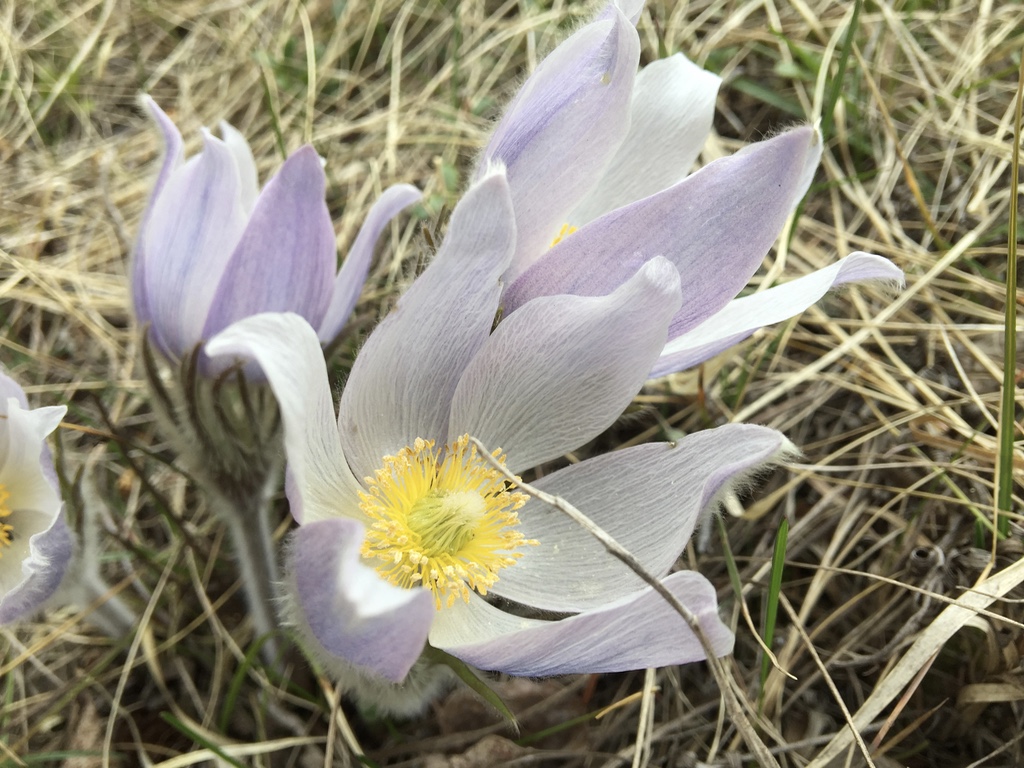
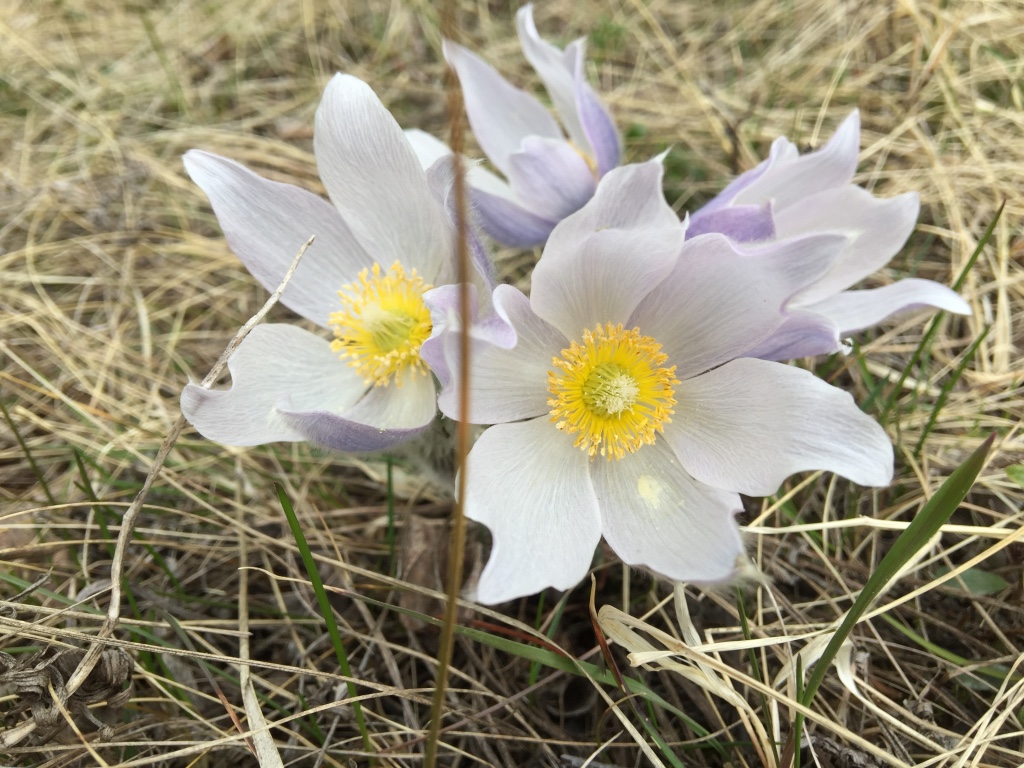
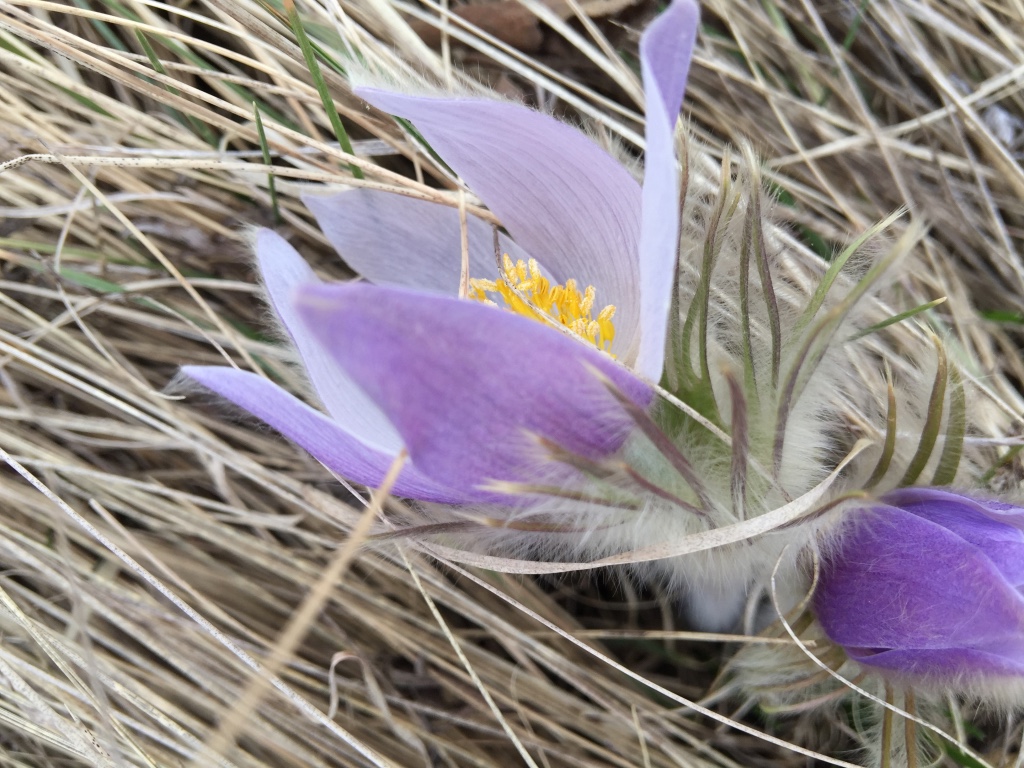
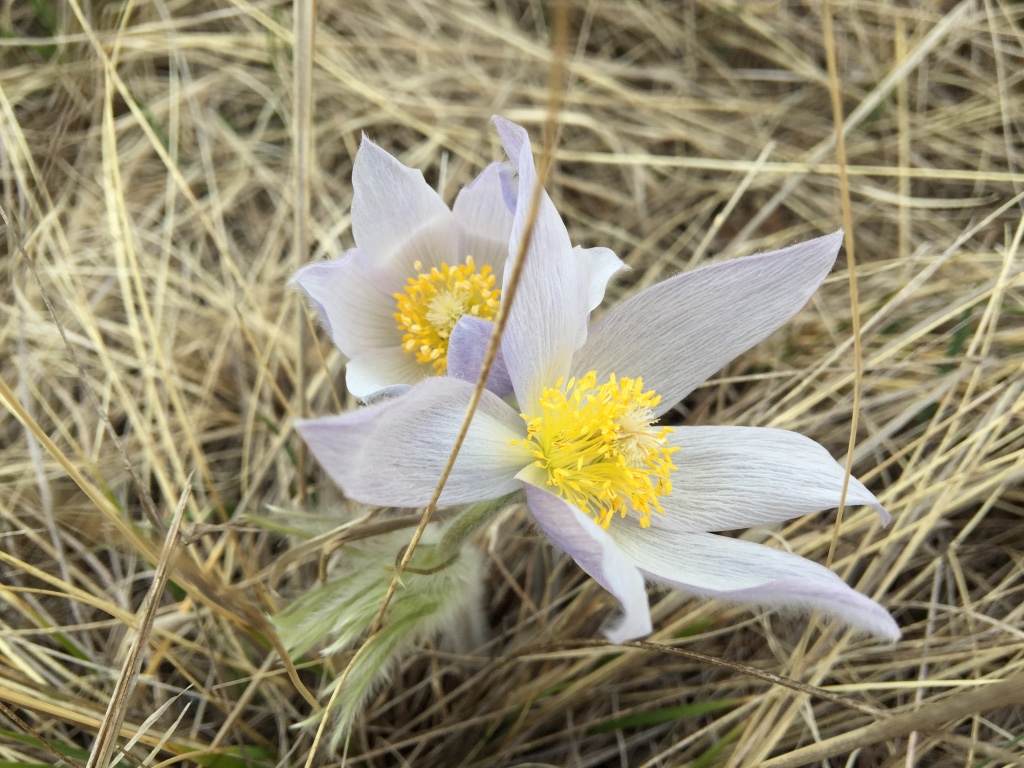
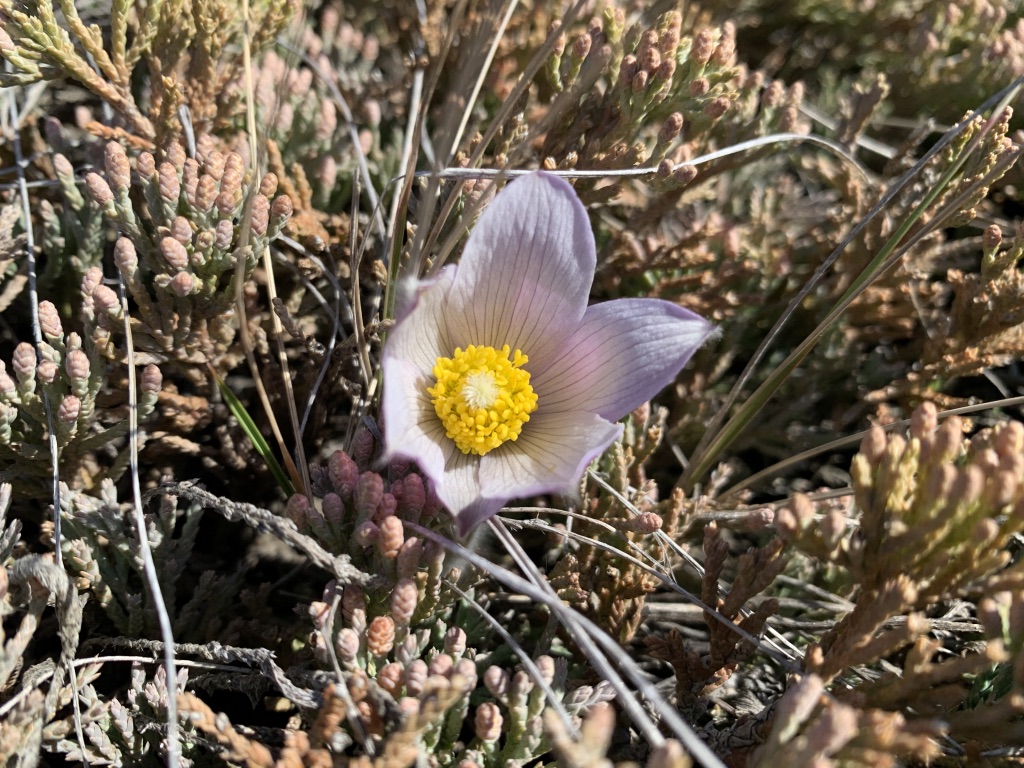
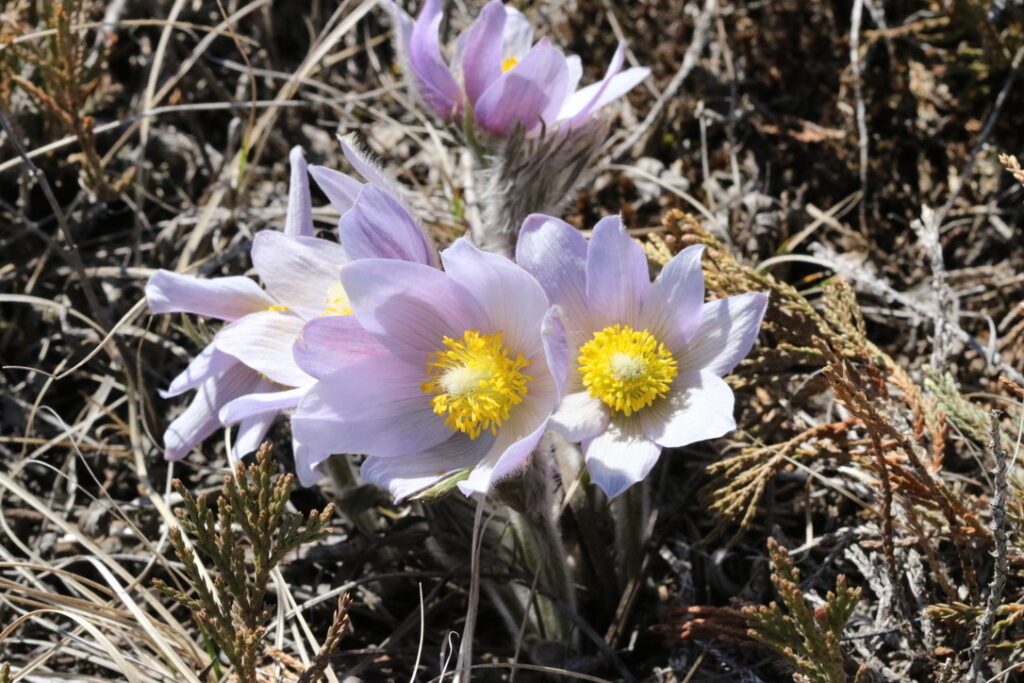
- What colour are the sepals or calyx? Pale blue to purple, usually whitish on the inside; rarely also purple on inside.
- What colour are the stamens? Yellow to orange-yellow.
Flower Size
- 4 cm (~1.5″) – walnut-sized to 8 cm (~3″) – credit-card width
Flower Composition
Regular, composite, irregular, or pea-like? Regular; perfect
(If regular) Number of petals? None; Sepals five to seven (sometimes eight).
- [Sepal] shape, in general? Lanceolate to ovate.
(If regular [& some irregular]) Shape of corolla: trumpet-like, flat, cupped, bell-shaped, etc.? Cupped to saucer, almost flat.
(If regular & irregular) Is the ovary superior or inferior to the petals & sepals? Ovary superior.
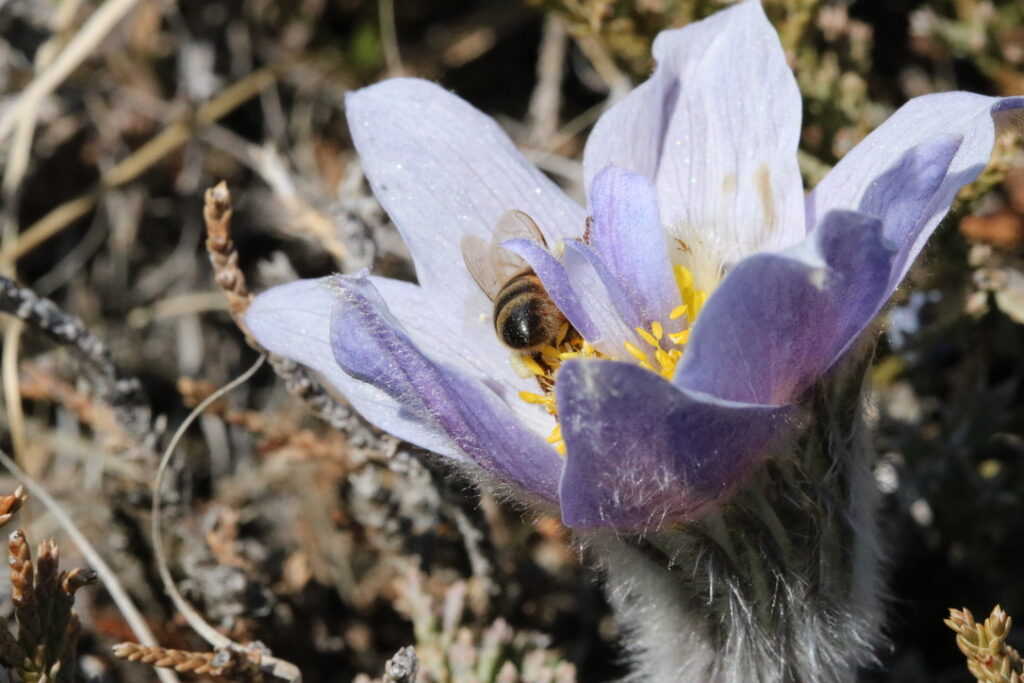
Any hair-like structures on flower parts? Yes. Hairy on back/outside, much less so on front/inside.
Fruits & Seeds
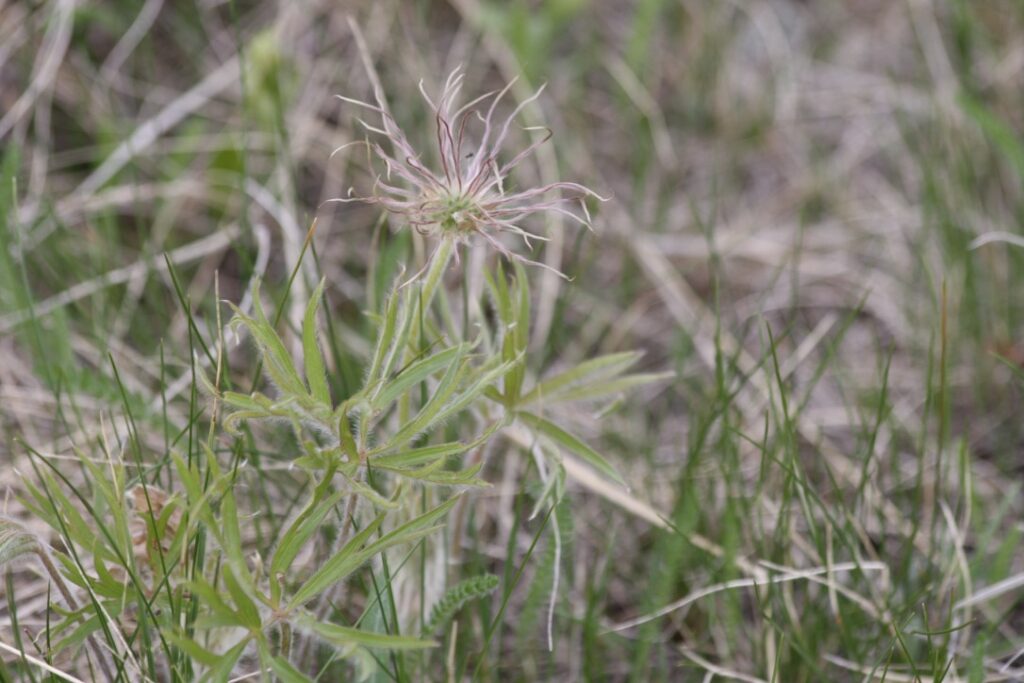
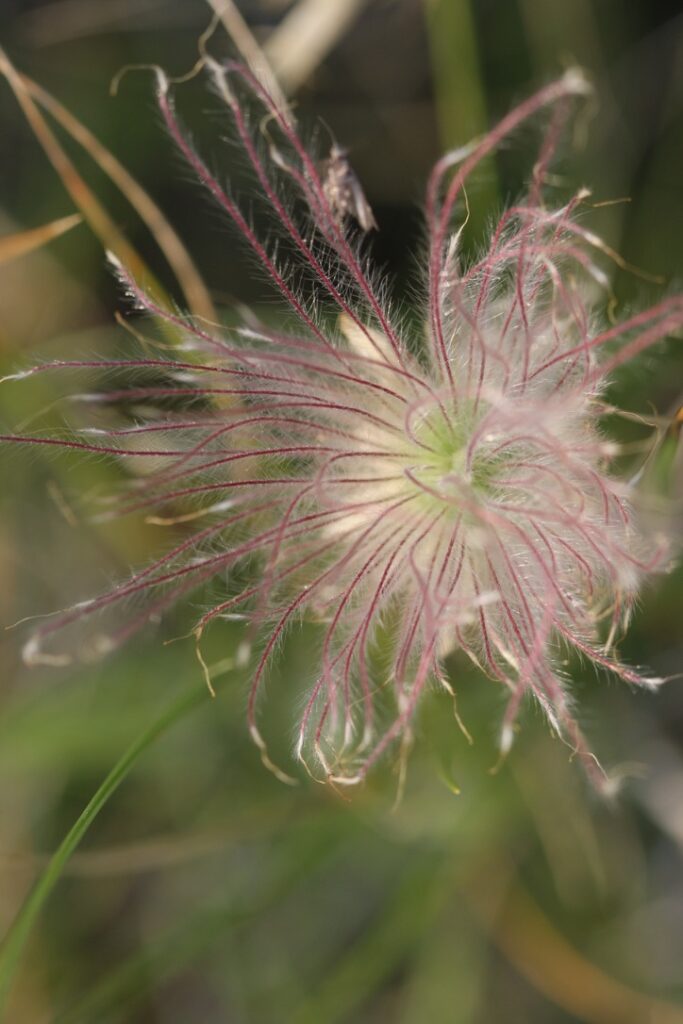
What type of fruiting body does this specie produce? Seed head with achene at base.
- What is its size? Persistent styles up to 2 to 4 cm (0.8 to 1.6 inches) long in fruit.
- What is the size of each individual seed? Up to 3 mm long
- What is its shape? Globose.
- What is the shape of each individual seed? Not noted.
- Are there any other features to note? Achenes silky-hairy; styles are feathery.
Where to Find This Species
What ecoregions and habitats does this plant most commonly occur in? It can be found in all except the Subalpine ecoregions in Alberta. It prefers deep, well-drained soils, including sandy soils, especially on hillsides or tops of cliffs where the snow is most likely to disappear the soonest in the spring.
What plant community is this plant found in, or occupies as the dominant species? They are found in dry, open mixed-wood forests in montane regions and at higher elevations in pine forest communities. They are also common in grassland ecosystems and on south-facing slopes in aspen parkland regions.
Which states/provinces can this species be found in? Alberta, British Columbia, Saskatchewan, Manitoba, Northwest Territories, Yukon Territory, Ontario; Alaska, Colorado, Idaho, Illinois, Iowa, Minnesota, Montana, North Dakota, New Mexico, Nebraska, South Dakota, Utah, Wisconsin, and Wyoming.
When to Find Blooms/Inflorescences
What time of year is this plant most likely to bloom? What seasons to expect, and what months of the year? Shortly after snowmelt, typically between late March and early May. It is rarely found blooming in summer. Occasionally, some blooms may be found in the autumn if there has been adequate late-season moisture to encourage growth and blooming. Its bloom period is greatly affected by altitude.
Is this Species Poisonous or Edible?
Is this species edible, or does it have any poisonous or toxic properties that you need to be aware of? Not edible; yes, all parts are mildly toxic when fresh, particularly if crushed or damaged (or picked).
If poisonous or toxic, what properties make it so? Briefly describe symptoms, what parts are toxic, if pets/people/livestock are most affected, if death is a risk, or other conditions that may result from consumption or skin exposure to this species. Contains chemical compound ranunculin, which breaks down into the toxin protoanemonin when fresh plant is crushed or damaged. It can cause skin irritation (mucosal membranes most sensitive) upon contact and digestive upset if swallowed.
Synonyms & Other Names
Other scientific names this plant is or has historically been known by:
Old synonyms:
- Anemone patens
- Pulsatilla patens.
Newer synonyms:
- Pulsatilla patens ssp. multifida
- Anemone patens ssp. multifida.
Homotypic synonyms:
- Anemone nuttalliana (DC.)
- Anemone patens var. nuttalliana (DC) A. Gray.
Other common names this plant has been known by (English only):
- Pasqueflower
- American Pasqueflower
- Cut-leaf Pasqueflower
- Prairie Pasqueflower
- Western Pasqueflower
What Other Species Can this be Confused With?
What other species may you confuse this with? Some notables:
- Anemone multifida (Cutleaf Anemone)
- Pulsatilla occidentalis (Western Pasqueflower)
- Anemone cylindrica (Thimbleweed)
- Anemone drummondii (Drummond’s Anemone)
What are any details to help distinguish this species from others?
- A. multifida leaves are linear-oblong, 2 to 3 ternate and 1.5 to 4 mm broad; flower peduncles one to several, sepals 5 to 9 and 7 to 14 mm long, ranging from white to pink to red-purple to yellow; seed heads are globose-ovoid. Most common in the Rockies or montane habitat with few populations in other ecoregions.
- P. occidentalis is generally somewhat taller (up to 60 cm [24 inches] tall), with basal leaves 3-divided, then many-times divided into narrow segments; sepals to 3 cm (1.2 inches) long and white or blue-tinged, sometimes pale yellow; achenes becoming reflexed with seed heads oblong. A major Rocky Mountain (montane) resident.
- A. cylindrica has leaves several times parted with final divisions not deeply cleft, oblong and wedge-shaped at base; involucre leaves long-stalked; sepals greenish-white 8 to 12 mm long; seed heads cylindrical with woolly achenes and short hairless beaks.
- A. drummondii plants up to 20 cm (8 inches) tall; basal leaves sparsely villous to nearly glabrous, twice ternate, linear to oblong-linear; petioles reddish at base; sepals white to pale blue; a montane species most common on subalpine/alpine slopes.
Interesting Notes
Is there any value of this plant for grazing herbivores, both domesticated and wild? No. Poor palatability. It is considered indicative of heavy grazing if it appears to be increasing in a range or forage stand.
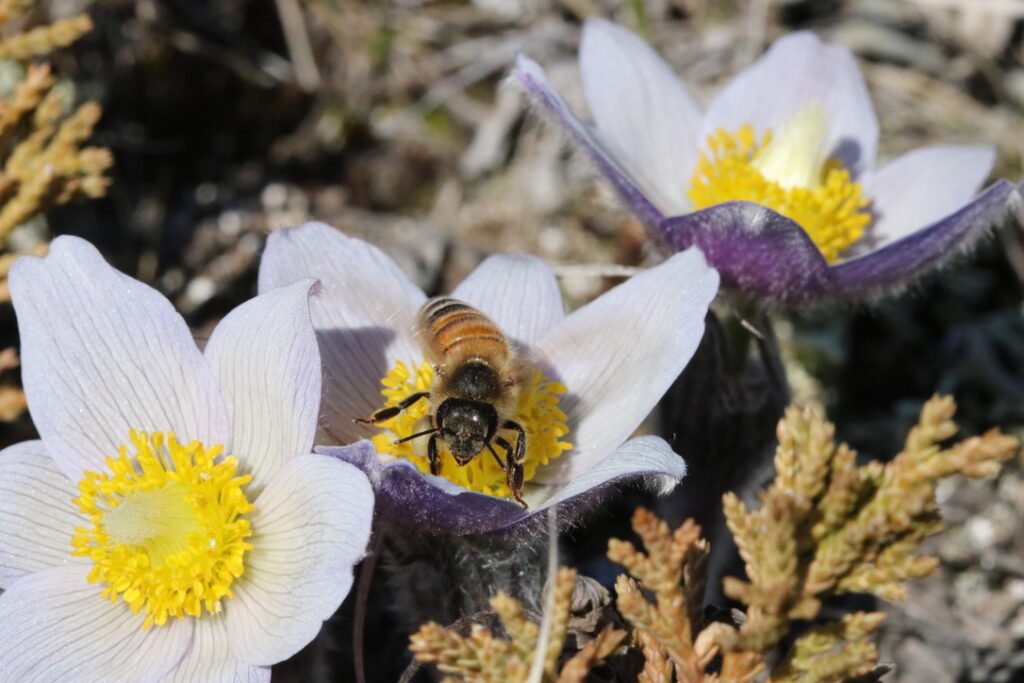
What pollinators love to visit? Bumblebees, hoverflies, honey bees, and solitary mining bees of the Andrenidae family are among the many insects that will cross-pollinate P. nuttalliana. Seeds are mainly dispersed by wind or caught on the fur of passing animals (or the pants of an unwary hiker).
Is it commonly used for reclamation purposes? No.
Any stories about name origins or name meanings to share? The usage “Pasqueflower” is used in the States because it tends to bloom around Easter. Historically, before the 1920s, it was called prairie smoke, hartshorn plant, gosling, or simply crocus. The name “crocus” is not to be confused with the Eurasian native (and garden ornamental) Crocus (Crocus spp.), which is a member of the Iridaceae (Iris) Family.
The Dakota language calls this species “hokski-chekpa wahcha,” meaning “twin flower.” In Lakota, it is called “hoksi cekpa” or “child’s navel,” about how similar the flower buds appear to a newborn baby’s navel when it is healing. The Blackfoot Nation language calls it “napi” or “old man” for its grey, silky seed heads.
Links for More Information
- iNaturalist – https://www.inaturalist.org/taxa/881504-Pulsatilla-nuttalliana
- Saskatchewan Wildflowers – https://www.saskwildflower.ca/nat_Anemone-patens.html
- Friends of Kananaskis Country – https://kananaskis.org/prairie-crocus/
- Minnesota Wildflowers – https://www.minnesotawildflowers.info/flower/american-pasqueflower
- Montana Field Guide – https://fieldguide.mt.gov/speciesDetail.aspx?elcode=PDRAN0K020
- E-flora BC – https://linnet.geog.ubc.ca/Atlas/Atlas.aspx?sciname=Pulsatilla%20nuttalliana