Scarlet Globemallow – Sphaeralcea cocciniea [Nuttall] Rydb. var. cocciniea
Family Malvaceae
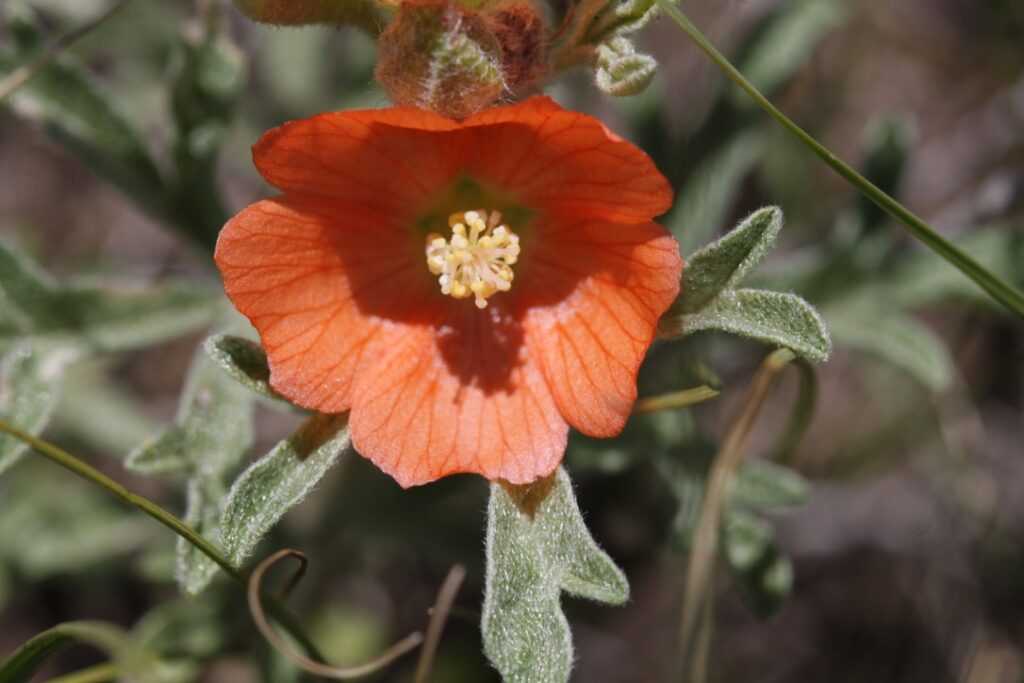
Photo Gallery
Whole Plant
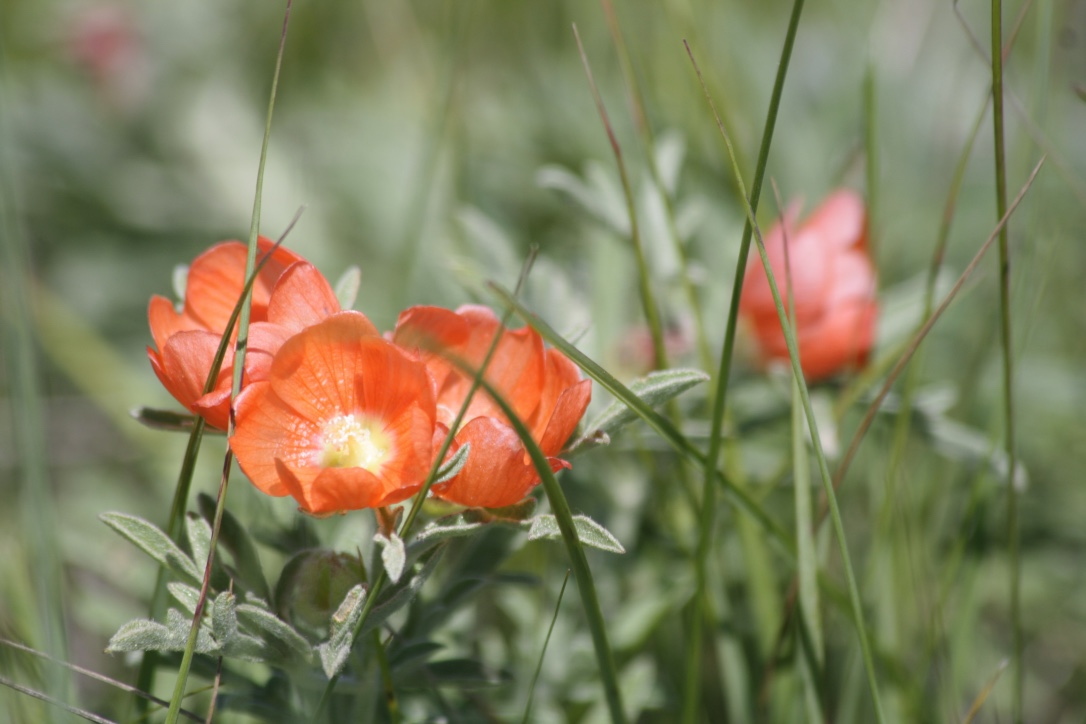
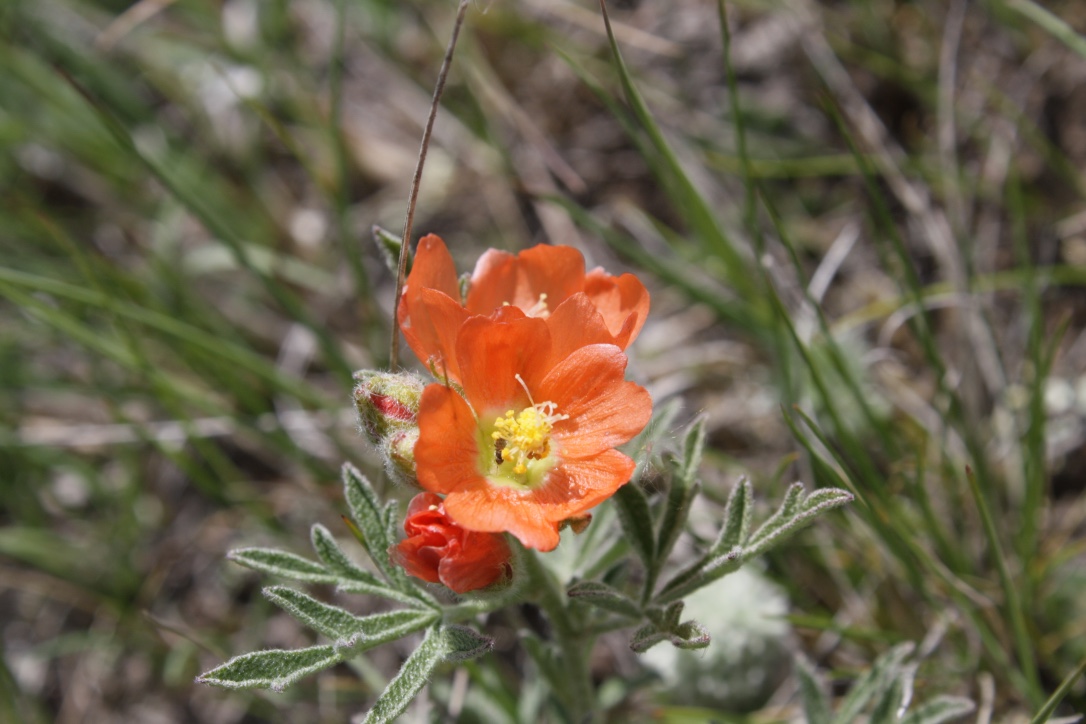
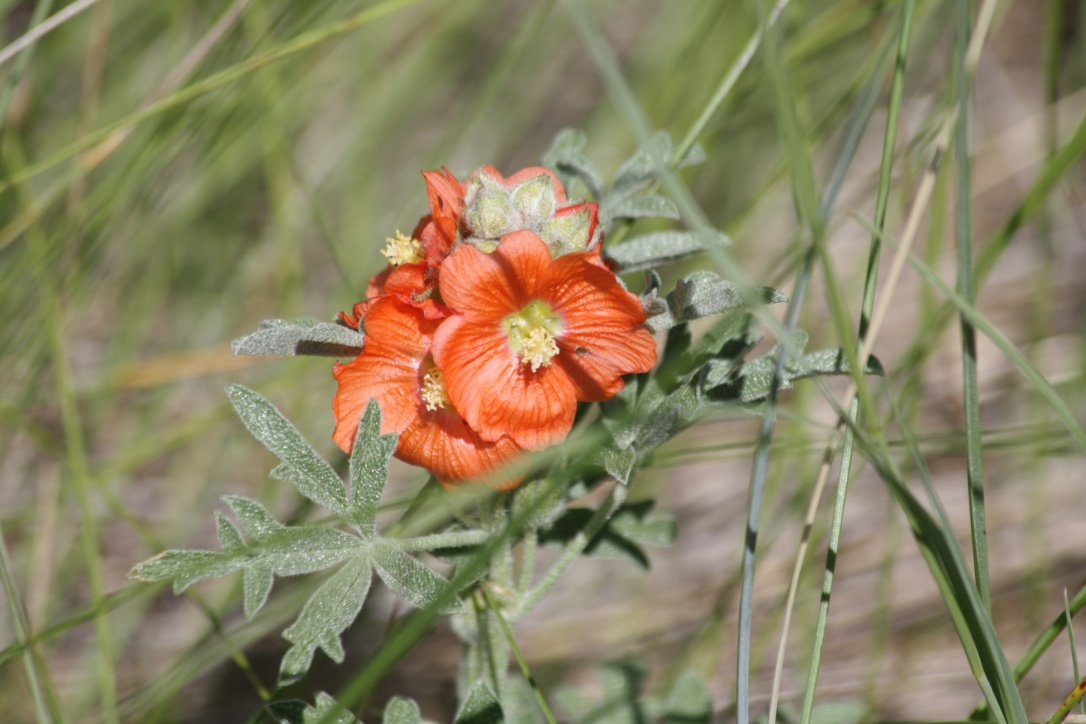
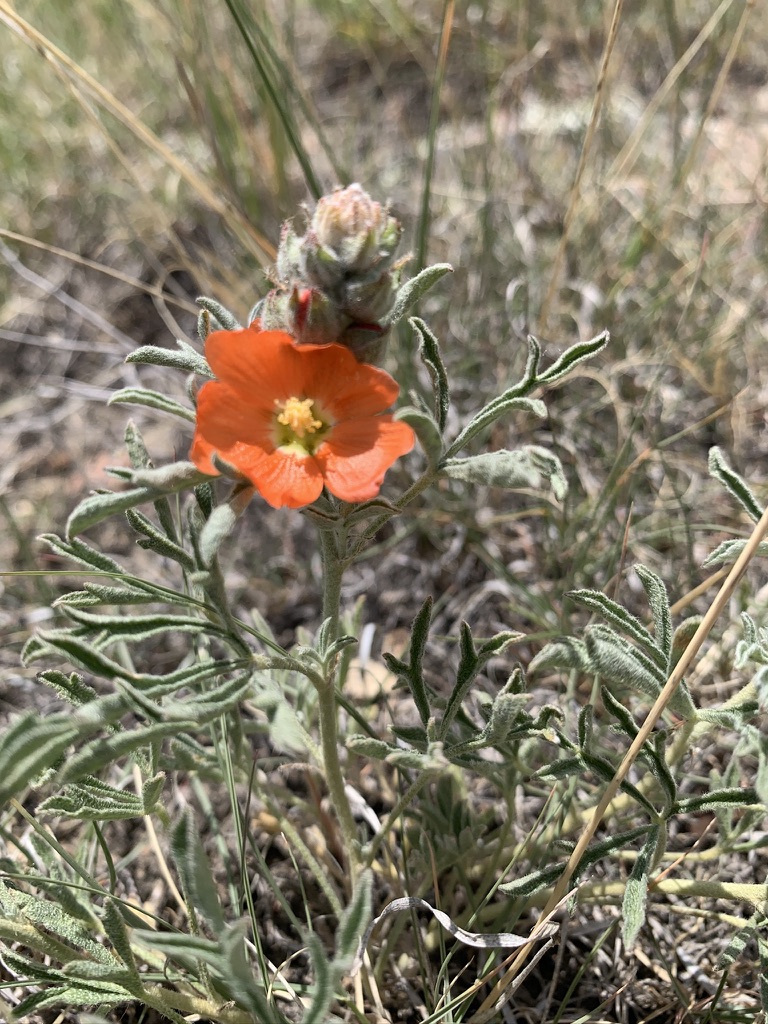
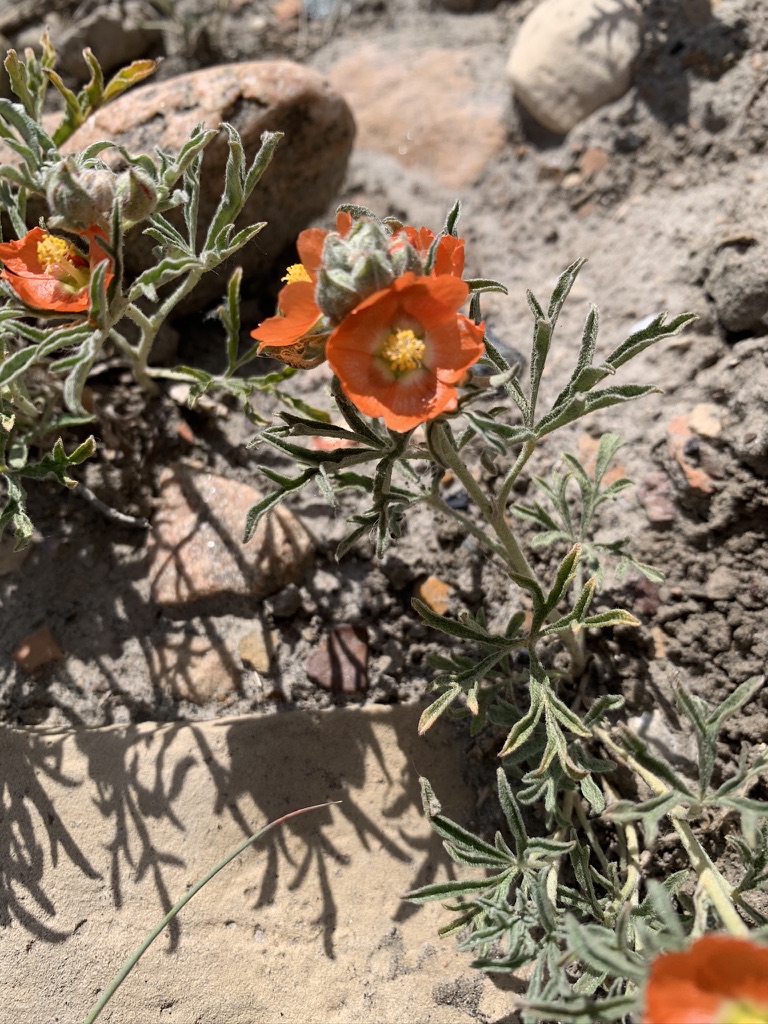
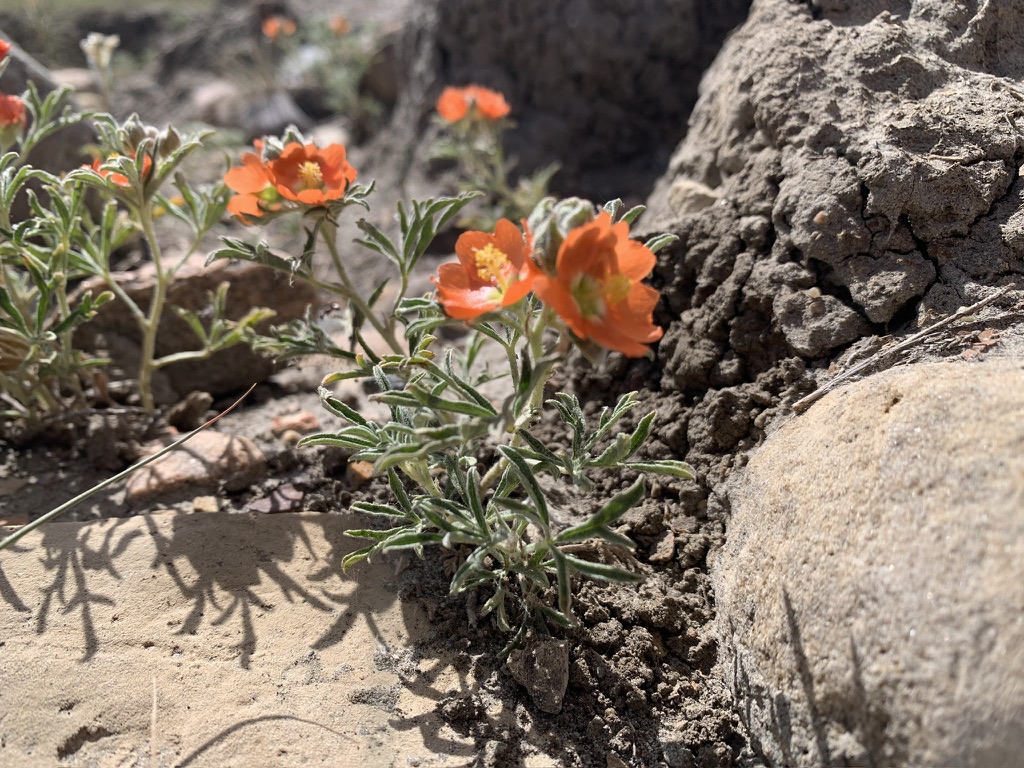
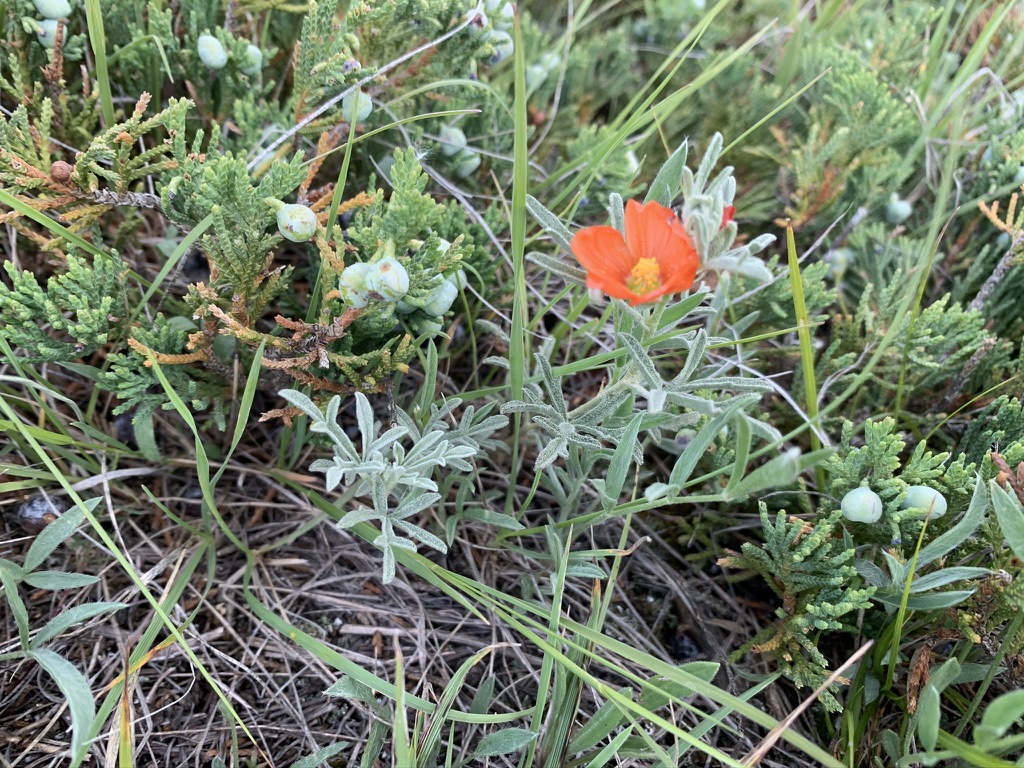
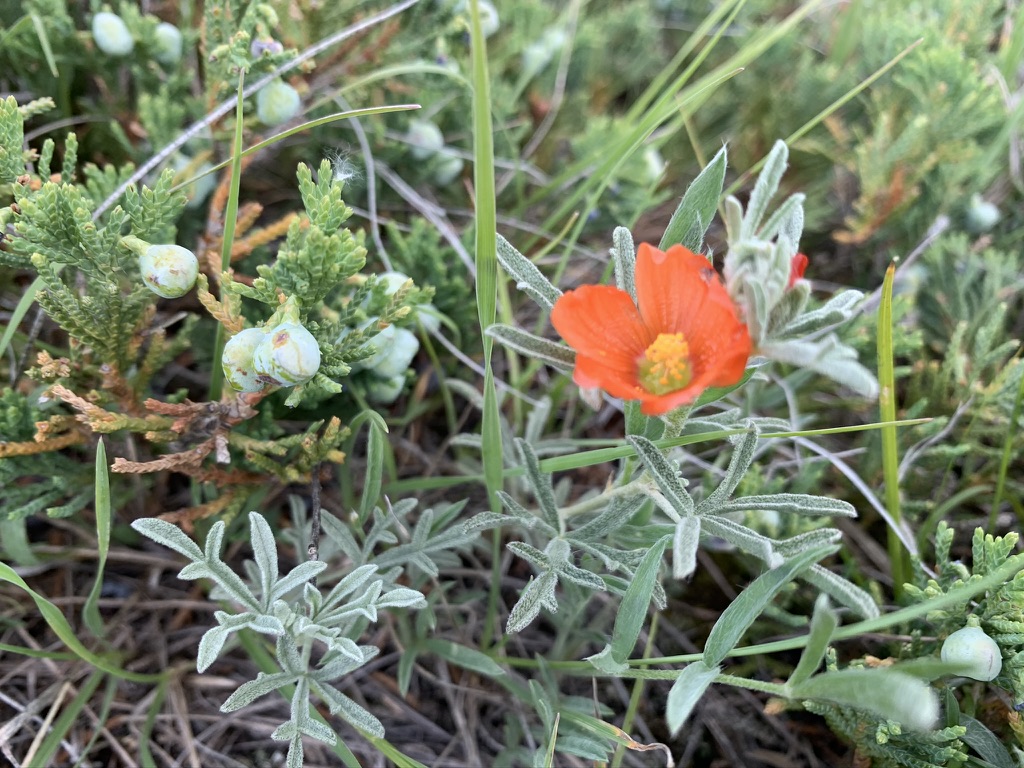
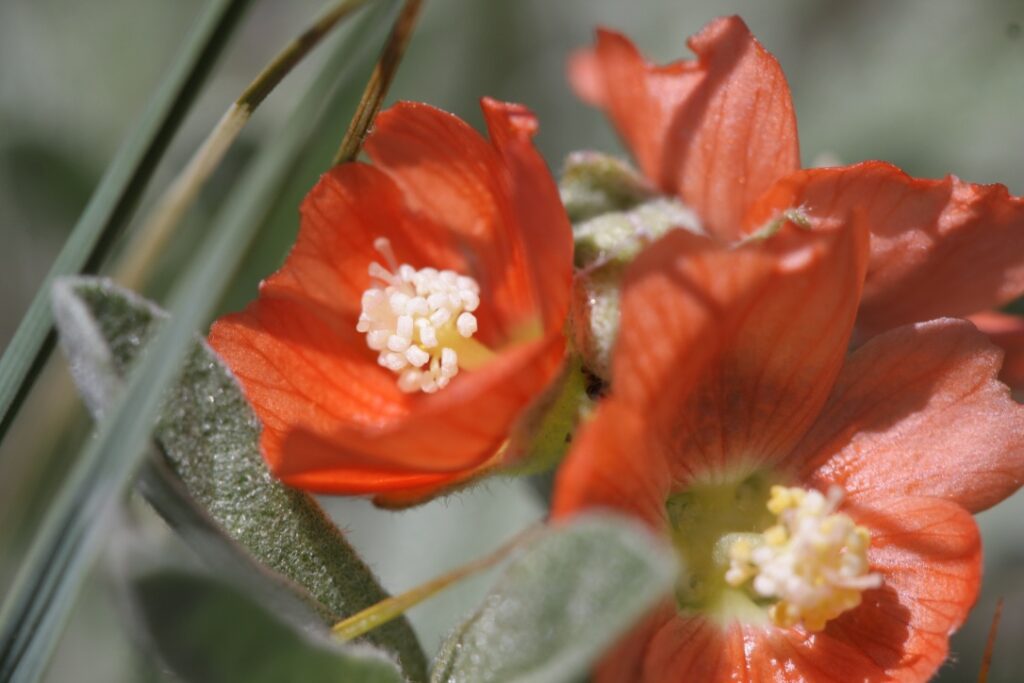
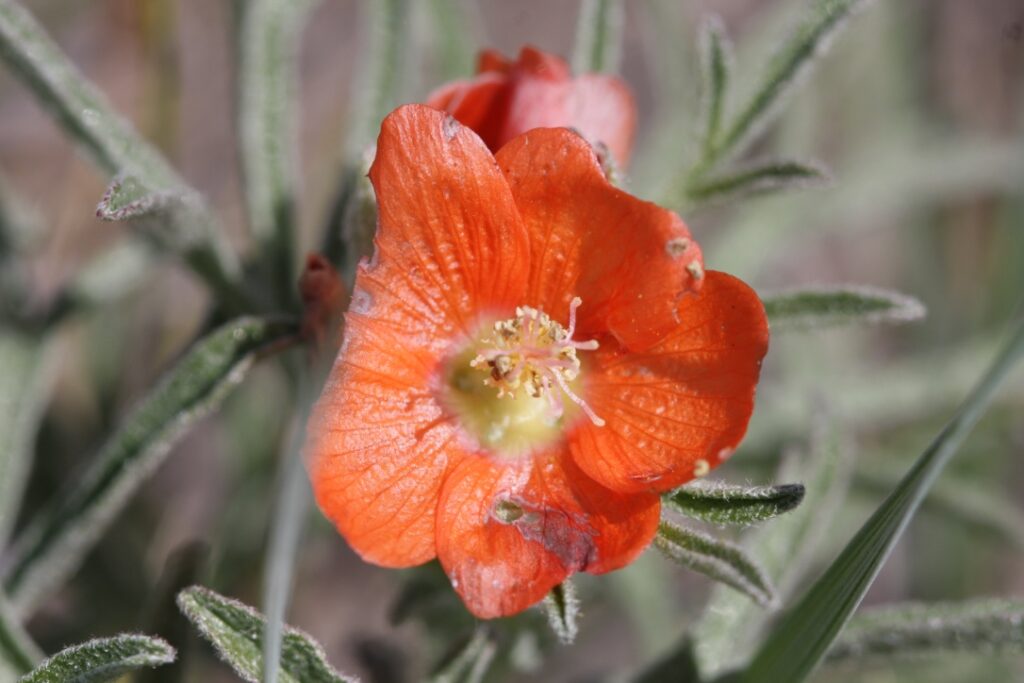
Flowers/Inflorescences
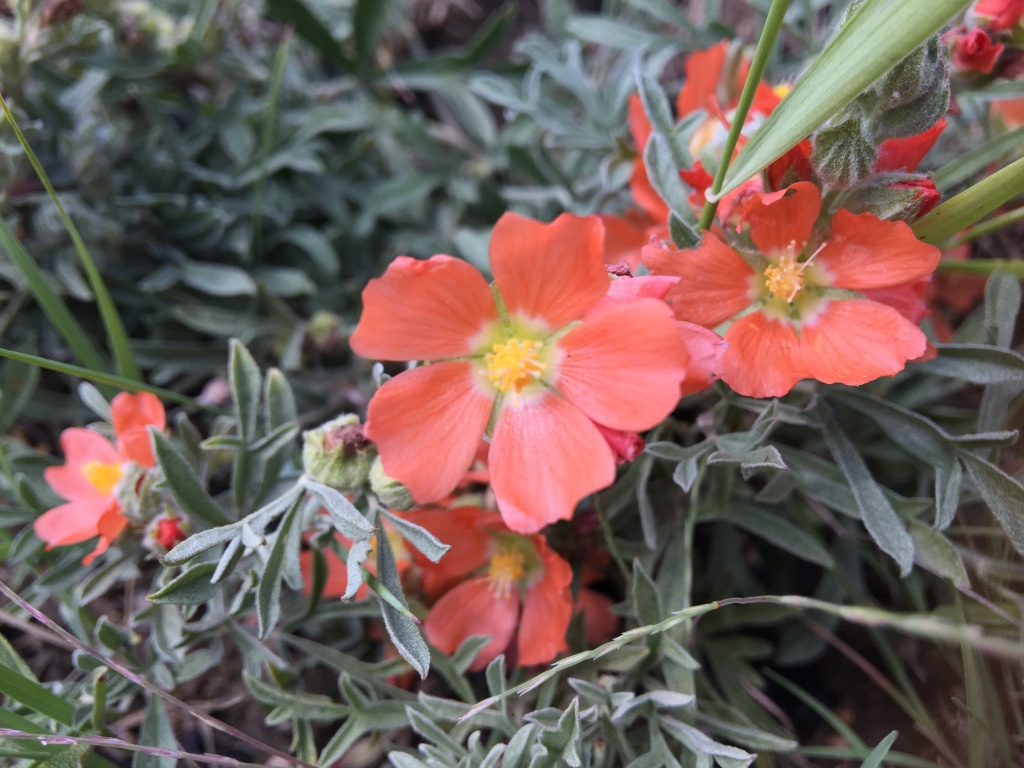
Leaves
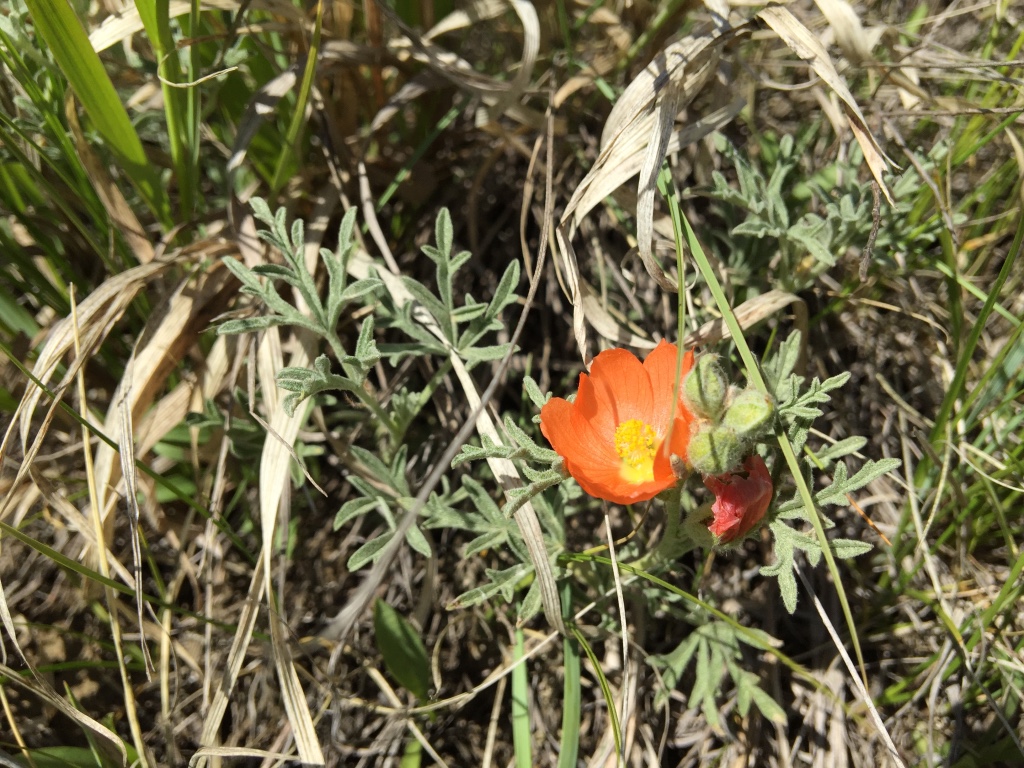
In the Vegetative Stage
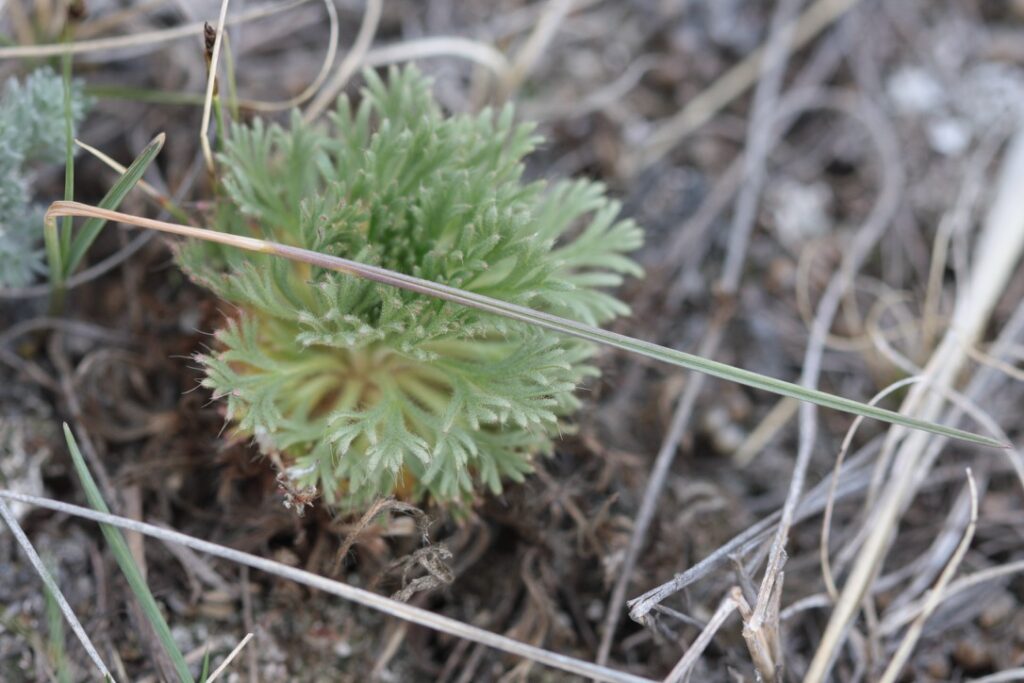
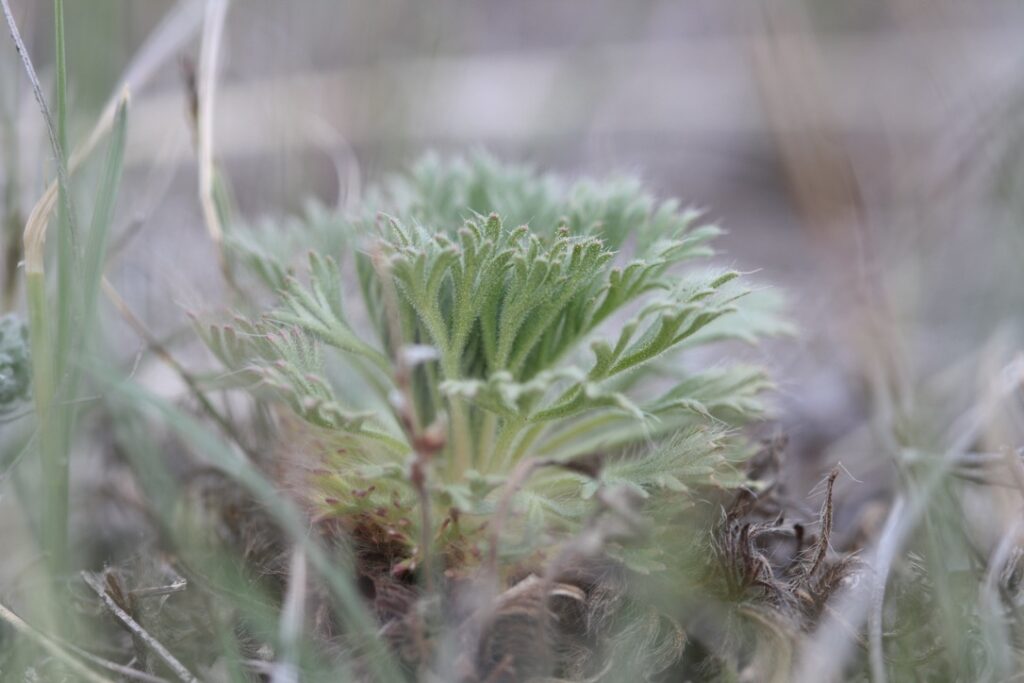
Seed-set or Maturity
Photos coming soon!
Origin & Status
- Native or non-native to Western Canada? Native.
- If non-native, where is it considered a native species? N/A
- Is this plant generally considered a nuisance weed or not? No.
- Common or rare? Common.
Dichotomy-like Description
Growth Habit
- Monocot or dicot? Dicot
- Erect, prostrate, creeping, or climbing? Erect.
- What is its life cycle? Perennial.
Overall Height
- 10 to 30 cm (4 to 12 inches)
Stem Characteristics
- Solitary stem or bunching together? Solitary, sometimes also bunched.
- Pithy or hollow? Pithy.
- Square, round, or triangular? Round.
- Clear or milky sap? Clear.
Rooting Type
- Stolons or rhizomes present? Rhizomatous.
- If yes, are stolons/rhizomes short or long? Fairly short.
- Fibrous roots or taprooted? Can be both.
Leaf Arrangement on the Stem
- Are leaves arranged opposite, alternate, whorled or as basal rosette? Alternate.
- How are leaves attached to the stem? Petioled.
- Axial leaves present? No.
- Stipules present? No.
Leaf Characteristics
Simple or Compound leaves? Compound.
- (If Compound) What type of division? Lobed, incised nearly to midrib, and these often lobed again.
- (If Compound) How many leaflets per leaf? Usually three- to five-lobed.
- What is its (including leaflets) shape? Main leaf palmately shaped; lobes ovate to deltoid in outline.
- Leaf edges smooth or toothed? Lobes toothed.
- If toothed, is it fine or coarse or other? Fine.
- Are the leaves eared? No.
- Do they have auricles? No.
- What is their size? 1 to 4 cm long, 1 to 5 cm wide.
- What is the veining characteristics? No.
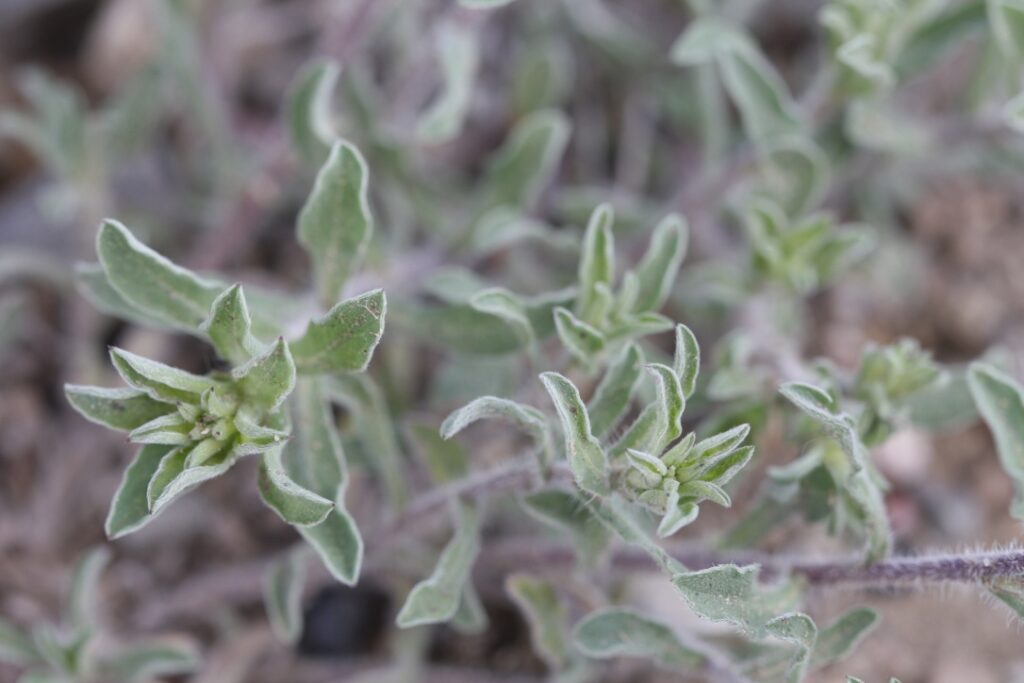
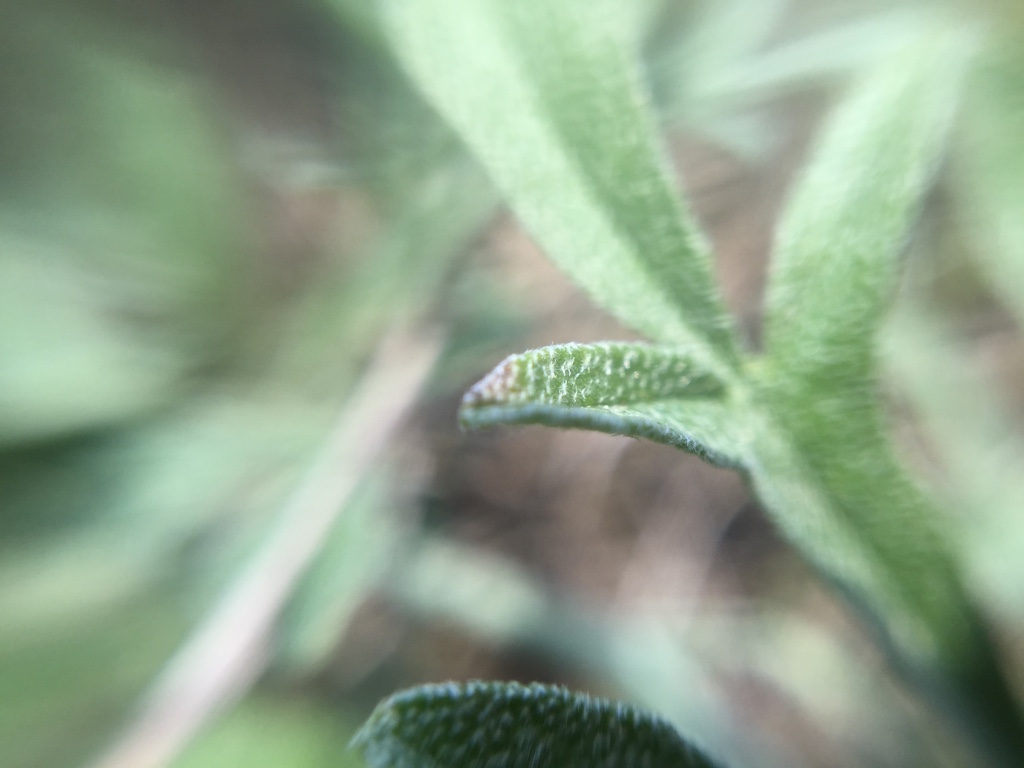
- Is there any colouration to note? Appears grey-green due to whitish or yellowish-shaped hairs.
What other characteristics are there of note? Star-shaped hairs on surfaces.
Inflorescence Type
Raceme, panicle, cyme, spike, umbel, corymb, twinned, singular, etc.? Clustered, though some singly or twinned.
- Length of flower cluster (if applicable): N/A
- Other characteristics? Stalks shorter than calyx; clusters are at the ends of branches.
Flower Colour
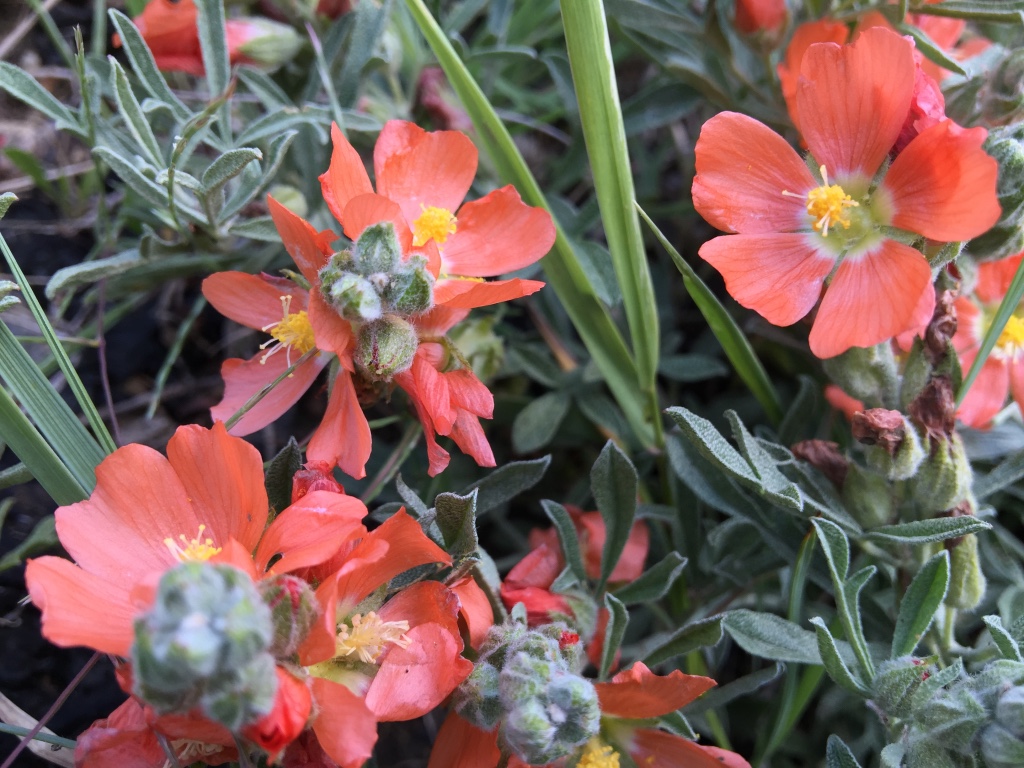
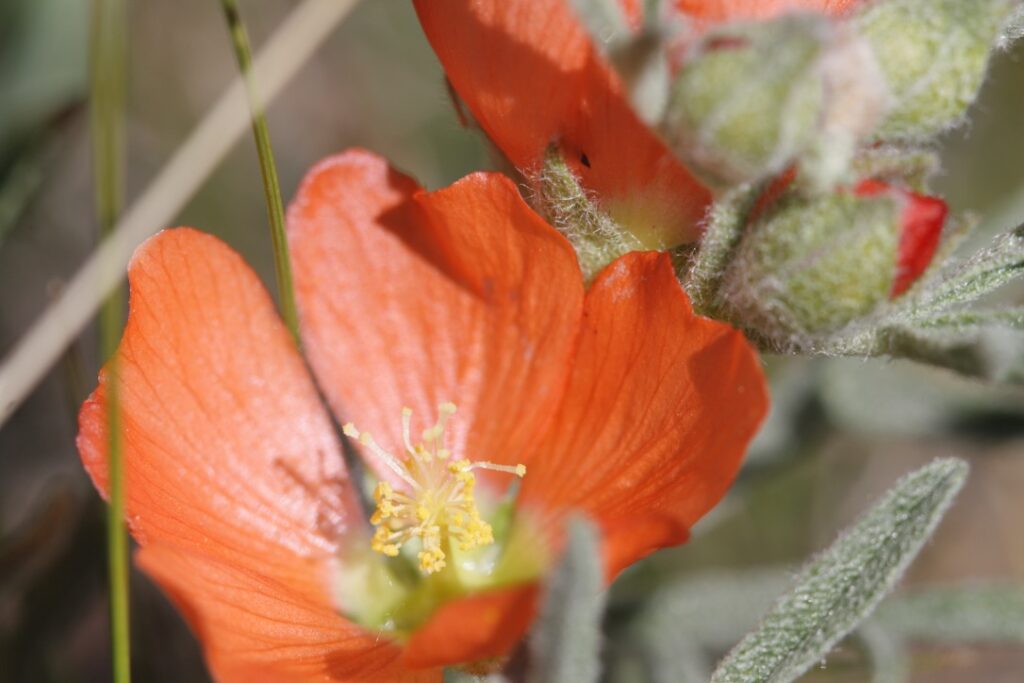
- What colour are the petals? Reddish-orange.
- What colour are the sepals or calyx? Grey-green due to star-shaped hairs.
- What colour are the stamens? Yellow
Flower Size
- 18 mm (~3/4″) – [Cdn] dime-sized to
- 25 mm (~1″) – [Cdn] Loonie-sized.
Flower Composition
Regular, composite, irregular, or pea-like? Regular; perfect.
(If regular) Number of petals? Five.
- Petal shape, in general? Notched at apex, broad.
(If regular [& some irregular]) Shape of corolla: trumpet-like, flat, cupped, bell-shaped, etc.? Saucer-shaped.
(If regular & irregular) Is the ovary superior or inferior to the petals & sepals? Inferior.
Any hair-like structures on flower parts? Yes, on calyx. Petals glabrous, hairless.
Fruits & Seeds
What type of fruiting body does this species produce? Schizocarp.
- What is its size? Mericarps are (3) 3.5 by 2.5 (3) mm thick
- What is the size of each individual seed? <1 mm
- What is its shape? Flattened spheric-conic
- What is the shape of each individual seed? Kidney-shaped
- Are there any other features to note? Mericarp (10 to 15 in one schizocarp) is leathery, muticous (lacks pointed tip), dehiscent part shorter (10 to 35% of height), indehiscent part usually wider than dehiscent part; seeds grey to black, mostly glabrous.
Where to Find This Species
What ecoregions and habitats does this plant most commonly occur in? Rarely is it found outside of the prairie grasslands; however, some reports claim it has been found in the Parkland Ecoregion and occasionally in the southern Foothills Ecoregion. I have yet to find S. cocciniea in either of those regions; however, it is plausible that it will occur there, but only in the driest, most exposed places that are the most prone to drought conditions.
S. cocciniea is also found on disturbed sites: along roadsides and other areas where the soil was disturbed, including near ground squirrel holes.
What plant community is this plant found in, or occupies as the dominant species? S. coccinea is most commonly found in the open grasslands of the Prairie Ecoregion. It prefers dry grasslands of Hesperostipa–Bouteloua (speargrass and blue grama), Hesperostipa-Elymus-Bouteloua (speargrass, thickspike [northern] wheatgrass and blue grama), and solonetzic Hesperostipa-Pascopyrum (speargrass and western wheatgrass) plant communities. It does not like saline Distichlis-Pascopyrum-Hordeum (salt grass, western wheatgrass, and foxtail barley) or vegetative sand dune plant communities.
Which states/provinces can this species be found in? Alberta, British Columbia, Saskatchewan, Manitoba; Arizona, Colorado, Idaho, Iowa, Kansas, Montana, North Dakota, New Mexico, Nebraska, Oklahoma, South Dakota, Texas, Utah, Wyoming.
When to Find Blooms/Inflorescences
What time of year is this plant most likely to bloom? What seasons to expect, and what months of the year? It commonly blooms from May to July, occasionally into July or August. Rarely does it bloom in the fall except in the very southern parts of the Canadian prairies, right up to the USA border.
Is this Species Poisonous or Edible?
Is this species edible, or does it have any poisonous or toxic properties that you need to be aware of? Not known to be edible; however, legend has it that it has medicinal properties. Until more evidence arises, consider this species mildly toxic and therefore inedible.
Synonyms & Other Names
Other scientific names this plant is or has historically been known by:
- Cristaria cocciniea (Nuttall) Pursch nom. illeg.
- Malva coccinea Nuttall
- Malvastrum coccineum (Nuttall) A. Gray
- Malvastrum coccinum var. dissectum (Nuttall ex Torrey & A. Gray) A. Gray
- Malvastrum cockerellii A. Nelson
- Malvastrum dissectum var. cockerellii (A. Nelson) A. Nelson
- Malveopsis coccinea (Nuttall) Kuntze
- Nototriche coccinea (Nuttall) Nieuwland & Lunell nom. illeg.
- Sida coccinea (Nuttall) de Candolle
- Sida dissecta Nuttall ex Torrey & A. Gray
- Sphaeralcea coccinea subsp. dissecta (Nuttall ex Torry & A. Gray) Kearney
- Sphaeralcea coccinea var. dissecta (Nuttall ex Torrey & A. Gray) Kearney
- Sphaeralcea dissecta Nuttall ex Torrey & A. Gray
Other common names this plant has been known by (English only):
- Scarlet Globemallow
- Red False Globemallow
- Copper Mallow
- Cowboy’s Delight
- Scarlet Globemallow
- Prairie Mallow
- Caliche Globemallow
What Other Species Can this be Confused With?
What other species may you confuse this with? No other species in Alberta has been found that can confuse S. coccinea with another species.
What are any details to help distinguish this species from others? N/A, as mentioned above.
Interesting Notes
Is there any value of this plant for grazing herbivores, both domesticated and wild? Conventional standards consider scarlet mallow’s forage value poor and unpalatable. The creeping growth habit, poor palatability, and ability to thrive in poor soils and dry locations ensure its survival and success. It will decrease under light to no grazing, largely due to competition from grasses and other forbs.
However, many grazing herbivores, such as cattle, bison, sheep, deer, and pronghorn, will graze this plant for medicinal purposes, as it is rich in Vitamin A and low in calcium and magnesium. It is also a staple for black-tailed prairie dogs.
What pollinators love to visit? S. coccinea attracts pollinators such as the Small Checkered Skipper (Pygrus scripture).
Is it commonly used for reclamation purposes? Generally, no. However, S. coccinea is best noted as an early successional species due to its habit of quickly establishing itself on regional disturbances.
Any stories about name origins or name meanings to share? None reported.
Links for More Information
- iNaturalist – https://www.inaturalist.org/taxa/126671-Sphaeralcea-coccinea
- Saskatchewan Wildflowers – https://www.saskwildflower.ca/nat_Sphaeralcea-coccinea.html
- Texas A&M Lady Bird Johnson – https://www.wildflower.org/plants/result.php?id_plant=SPCOC
- Minnesota Wildflowers – https://www.minnesotawildflowers.info/flower/scarlet-globe-mallow
- Montana Field Guide – https://fieldguide.mt.gov/speciesDetail.aspx?elcode=pdmal14040
- USDA Forest Service – https://www.fs.usda.gov/database/feis/plants/forb/sphcoc/all.html
- E-flora BC – https://linnet.geog.ubc.ca/Atlas/Atlas.aspx?sciname=Sphaeralcea%20coccinea&noTransfer=0